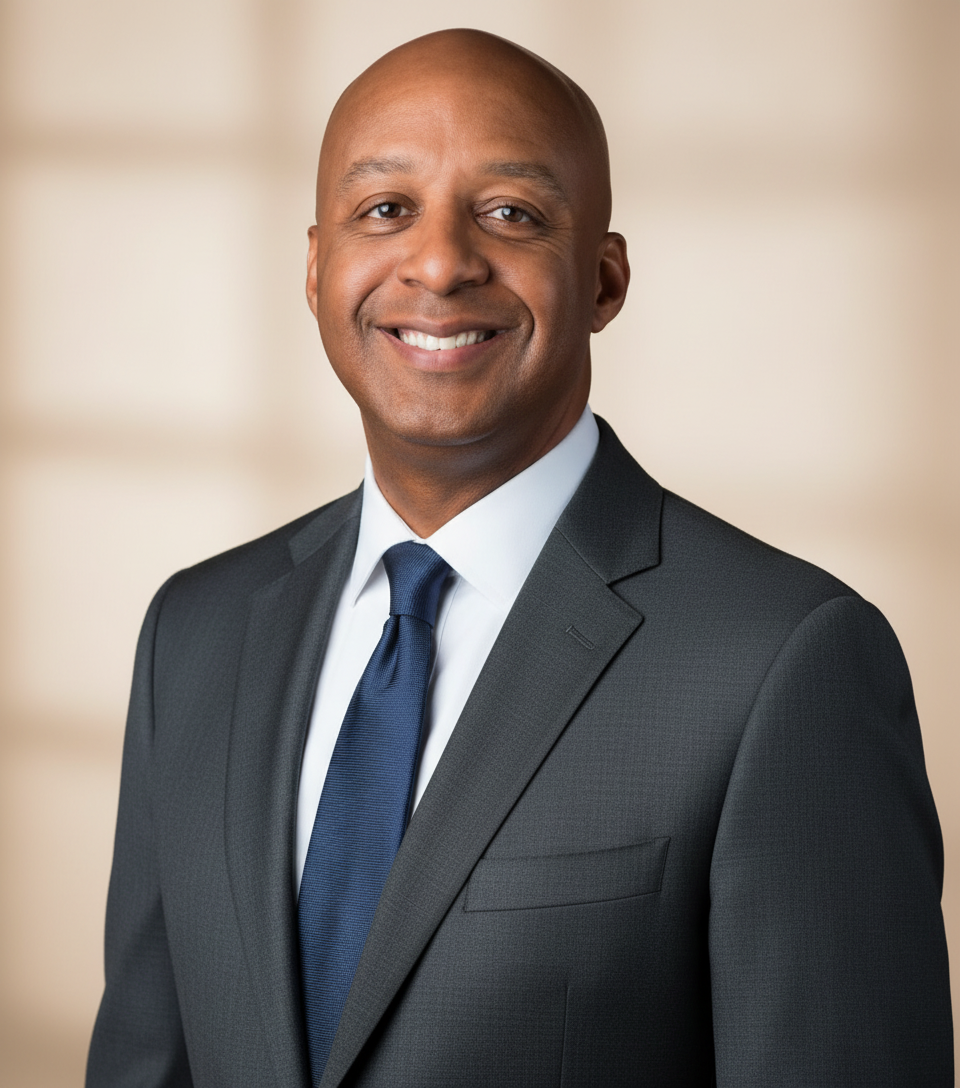
Bobby Kotick
Bobby Kotick: The architect of Activision Blizzard, known for aggressive M&A, cost discipline, and navigating significant industry expansion and scrutiny.
Bobby Kotick is an American businessman best known for his nearly 32-year tenure as CEO of Activision Blizzard, one of the world's largest video game companies. He spearheaded its growth through numerous acquisitions and the development of major franchises like Call of Duty, World of Warcraft, and Candy Crush. His leadership, while driving immense shareholder value, was also marked by controversies.
Biography
Accomplishments
- 01Transformation of Activision from near bankruptcy in the early 1990s into a multi-billion dollar enterprise.
- 02Orchestrated the 2008 merger of Activision and Vivendi Games, creating Activision Blizzard, a dominant global video game publisher.
- 03Led the acquisition of King Digital Entertainment in 2016 for $5.9 billion, significantly expanding Activision Blizzard's mobile gaming footprint with titles like Candy Crush.
- 04Drove the development and enduring success of franchises such as Call of Duty, World of Warcraft, and Diablo, consistently generating high annual revenues.
- 05Successfully navigated the company through its $69 billion acquisition by Microsoft, a deal that became one of the largest in tech and gaming history.
Lessons for Operators
Key Takeaways
Practical lessons distilled for operators, investors, C-levels, and capital allocators.
M&A as a Core Growth Lever
Kotick's career exemplifies how strategic, often aggressive, mergers and acquisitions can transform a company. From acquiring and merging with Vivendi Games to purchasing King Digital, his approach created a portfolio of powerhouse IPs, demonstrating that well-executed M&A can be a primary driver of market dominance and shareholder value.
Value Creation Through Restructuring and Cost Discipline
His early work at Activision, post-takeover, involved brutal efficiency and cost-cutting to survive. This discipline, though controversial at times, laid the foundation for future profitability. Operators should analyze their cost structures rigorously and be prepared to make difficult decisions for long-term viability.
Navigating Complex Regulatory and Public Scrutiny
The Microsoft acquisition and internal corporate culture issues highlight the intense regulatory and public relations challenges that can accompany large-scale business operations. Leaders must anticipate and strategically address these multifaceted pressures to successfully close deals and maintain reputation. Kotick himself, in recent public statements, has acknowledged the complexities and often negative public perception he faced, as reflected in various podcasts and news items examining his leadership.
The Enduring Power of Intellectual Property
Activision Blizzard's success was fundamentally built on strong, recurring intellectual property. Investing in and nurturing franchises like 'Call of Duty' and 'Warcraft' provided stable, predictable revenue streams and fostered deep customer loyalty, illustrating that IP remains a critical asset in the entertainment sector.
Executive Longevity and Industry Evolution
Kotick's three-decade tenure as CEO of a major tech entertainment company demonstrates a rare level of sustained leadership amidst rapid technological change and market shifts. His adaptability, albeit sometimes controversial, allowed the company to remain relevant through multiple console generations and business model evolutions, from disc sales to digital distribution and mobile gaming.
Frameworks & Principles
Named frameworks and strategic principles they popularized or embodied.
Portfolio Management for IP-Centric Businesses
This framework involves continually evaluating the performance and potential of a company's intellectual property assets. It includes strategies for developing new IPs, acquiring complementary IPs through M&A, and divesting underperforming ones, all while optimizing resource allocation across the portfolio.
When to useApplicable for companies in media, entertainment, software, and technology sectors where intellectual property is a primary driver of value. Use when assessing growth opportunities, mitigating risks, and ensuring long-term relevance of product lines.
Turnaround Management & Aggressive Cost Restructuring
A systematic approach to rescuing distressed companies or divisions. It involves rapid assessment of financial health, implementation of stringent cost-cutting measures, divestiture of non-core assets, and a clear focus on restoring profitability and operational efficiency.
When to useEssential for leaders inheriting underperforming businesses, facing severe financial headwinds, or needing to quickly pivot a business model. Kotick's early re-establishment of Activision demonstrated this through a focus on console gaming and strict cost controls.
Integration Strategy for Large-Scale M&A
This framework outlines the process for successfully combining two or more organizations, focusing on operational, cultural, and financial integration. Key elements include due diligence, synergy realization, managing regulatory hurdles, and retaining key talent, especially in high-value, complex transactions.
When to useCrucial for C-levels and M&A teams involved in significant acquisitions, such as the Activision-Vivendi merger or the King Digital acquisition. Effective integration can make or break the value creation potential of a deal.
Recent Appearances
Latest interviews, keynotes, and press from the past half year.
 youtube.com
 youtube.com
 youtube.com
 m.youtube.com
 youtube.com
 youtube.com
 youtube.com
 youtube.com
 youtube.com
 youtube.com
 youtube.com
 youtube.com
 youtube.com
 youtube.com
 youtube.com
 youtube.com
 youtube.com
 youtube.com
 youtube.com
 youtube.comyoutube.com
 youtube.com
 youtube.com
 youtube.com
 youtube.com
 m.youtube.com
 youtube.com
 youtube.com
 youtube.com
 youtube.com
 youtube.com
 youtube.com
 youtube.com
 youtube.com
 youtube.com
 youtube.com
 youtube.com
 youtube.com
 youtube.com
 youtube.com
 youtube.com
 youtube.com
 youtube.com
 youtube.com
 youtube.com
 youtube.com
 youtube.com
 youtube.com
 youtube.com
 youtube.com
 youtube.com
 youtube.com
 youtube.com
 youtube.com
 youtube.com
 youtube.com
 youtube.com
 youtube.com
 youtube.com
 youtube.com
 youtube.com
 youtube.com
 youtube.com
 youtube.com
 youtube.com
 youtube.com
 youtube.com
 youtube.com
 youtube.com
 youtube.com
 youtube.com
 youtube.com
 youtube.com
 youtube.com
 youtube.com
 youtube.com
 youtube.com
 youtube.com
 youtube.com
 youtube.com
 youtube.com
 youtube.com
 m.youtube.com
 youtube.com
 m.youtube.com
 youtube.com
 youtube.com
 m.youtube.com
 youtube.com
 youtube.com
 youtube.com
 youtube.com
 youtube.com
 youtube.com
 youtube.com
 youtube.com
 youtube.com
 youtube.com
 youtube.com
 youtube.com
 youtube.com
 youtube.com
 youtube.com
 youtube.com
 youtube.com
 youtube.com
 youtube.com
 youtube.com
 youtube.com
 youtube.com
 youtube.com
 youtube.com
 youtube.com
 youtube.com
 youtube.com
 m.youtube.com
 youtube.com
 youtube.com
 youtube.com
 youtube.com
 youtube.com
 youtube.com
 youtube.com
 youtube.com
 youtube.com
 youtube.com
 m.youtube.com
 youtube.com
 youtube.com
 youtube.com
 youtube.com
 youtube.com
 youtube.com
 m.youtube.com
 youtube.com
 youtube.com
 youtube.com
 youtube.com
 youtube.com
Sources & Further Reading
Profiles, interviews, podcasts, and articles used to compile and verify this entry. Each link opens at the original publisher.
- podcastAnalyzing Evil: Bobby Kotick From Activision Blizzard - YouTubeyoutube.com→
- podcastBobby Kotick Blows the Whistle... | DSP #569 - YouTubeyoutube.com→
- podcastDid Xbox Overpay for Activision? Kotick's Own Words Raise Questionsyoutube.com→
- podcastCall of Duty is in the Epstein Files w/ Bobby Kotick & Bill Gatesyoutube.com→
- podcastACTIVISION EN DECLIVE SEGÚN BOBBY KOTICK - YouTubeyoutube.com→
- podcastBOBBY KOTICK IS THE ANTIHERO OF VIDEO GAMES! - YouTubeyoutube.com→
- podcastPSN: Party Podcast - YouTubeyoutube.com→
- podcastDSP #522 - Super Fans are Cringe - YouTubeyoutube.com→
- podcastPart Two: How Jeffrey Epstein Helped Build the Modern Worldpodcasts.apple.com→
- podcastFile 66 - Why Epstein Played Xbox and World of Warcraftpodcasts.apple.com→
- podcastShopify President Harley Finkelstein & The Jews of Thessalonikipodcasts.apple.com→
- podcastEp12: InnerVoice & TefLawn w/Joe Fairleigh - Spotifyopen.spotify.com→
- podcastTemperrr Reveals How FaZe Began in 2010 and Secrets of the Historyopen.spotify.com→
- podcastBeing Jewish with Jonah Platt - Apple Podcastspodcasts.apple.com→
- podcastBobby Kotick, former Activision CEO, believes Elon Musk would be ...facebook.com→
- podcastTim Sullivan - a16z cryptoa16zcrypto.com→
- podcastWhat Trump Wants from a TikTok Deal with China | The New Yorkernewyorker.com→
- podcastAs Microsoft lays off thousands and jacks up Game Pass prices ...reddit.com→
- podcastThe Free Press, news outfit backed by top VCs, acquired ... - PitchBookpitchbook.com→
- podcastChristian Crowley - a16z cryptoa16zcrypto.com→
- podcastCamelot Unchained | The Ancient Gaming Noobtagn.wordpress.com→
- podcastThis momentous deal marks the second most valuable gaming ...facebook.com→
- podcastSpencer Pratt Drops New Anthem “California Fried” The ... - Instagraminstagram.com→
- podcast【洛杉磯市長】 美國真人秀明星普拉特(Spencer Pratt)發佈了一支 ...instagram.com→
- podcastElenco fornitori spazio Web gratuito - radioelementiradioelementi.it→
- podcastJeff Kaplan: World of Warcraft, Overwatch, Blizzard, and Future of ...reddit.com→
- podcastJason Schreier's Post - LinkedInlinkedin.com→
- podcastIn a new podcast interview, the former face of Overwatch says a ...facebook.com→
- podcastThe Rise and Fall of Bobby Kotick's Overwatch Leaguewolfsheadonline.com→
- podcastThe CFO Meeting That Ended Jeff Kaplan's Blizzard Careerback2gaming.com→
- podcastWoW Addons: Better Than You Think! - TikToktiktok.com→
- podcastYeah, this was obviously Armin. | Terra Field - LinkedInlinkedin.com→
- podcastBlizzard Entertainment Issues: World of Warcraft Challenges - TikToktiktok.com→
- podcastNairametrics - Facebookfacebook.com→
- podcastTiggy vs. Bob: 1v1 Challenge in League of Legends - TikToktiktok.com→
- podcastBREAKING: Astronomer CEO resigns after Coldplay scandal. 3 ...facebook.com→
- podcastExploring the World of Esports and Gaming Podcasts - TikToktiktok.com→
- podcastBloodborne 2: Bob's Secret Plan for Gamers | TikToktiktok.com→
- podcastBattlefield 6: Competing with Black Ops 7 Challenges | TikToktiktok.com→
- podcastRichest Moguls & Business Celebrities - Net Worth Breakdownnetworthbreakdown.com→
Explore Related Titans
Other figures in the archive who share Bobby Kotick's domain, geography, or era.
More in Technology






From United States




Contemporaries — born 1960s