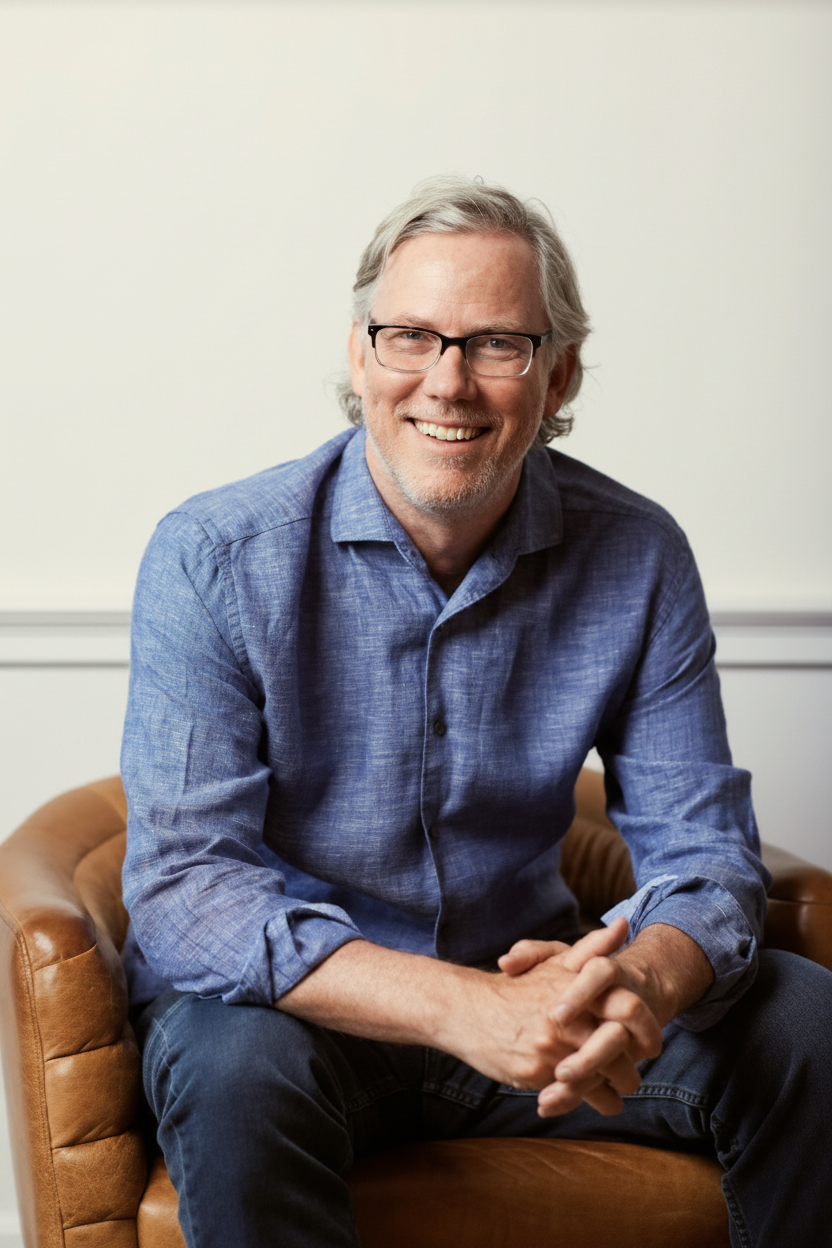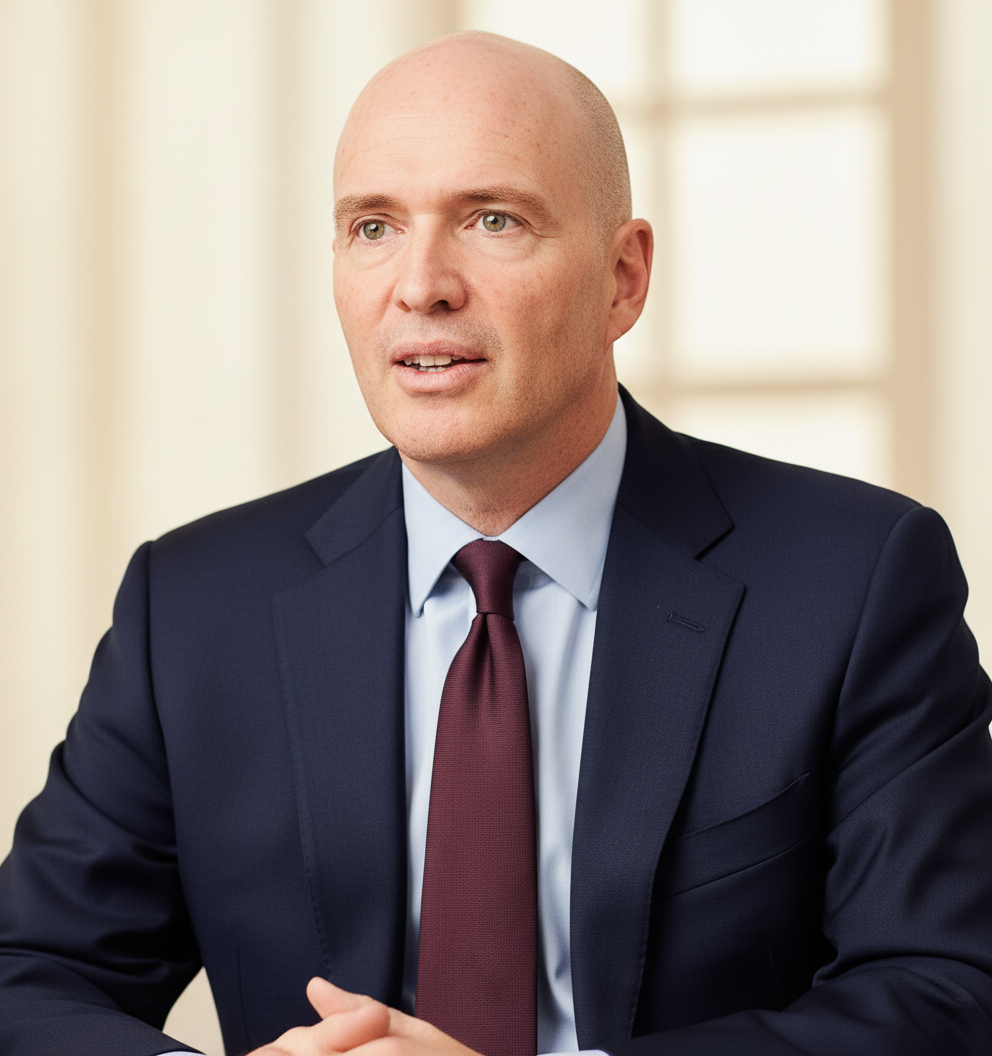
Ben Horowitz
Co-founder of Andreessen Horowitz, a prolific author on management, and a former CEO who navigated a company through Dot-com bust.
Ben Horowitz is a co-founder and general partner at Andreessen Horowitz (a16z), a prominent venture capital firm. Prior to his venture career, he served as President and CEO of Opsware (formerly Loudcloud), which he sold to Hewlett-Packard for approximately $1.6 billion in 2007. He is also a best-selling author, known for his pragmatic insights on leadership and company building.
Biography
Accomplishments
- 01Co-founded and scaled Andreessen Horowitz (a16z), a top-tier venture capital firm managing over $35 billion across multiple funds, with notable early investments including Facebook, Twitter, GitHub, and Lyft.
- 02Successfully pivoted Loudcloud to Opsware, transforming an IaaS provider during the Dot-com bust into a profitable enterprise software company, ultimately selling it to HP for $1.6 billion in 2007.
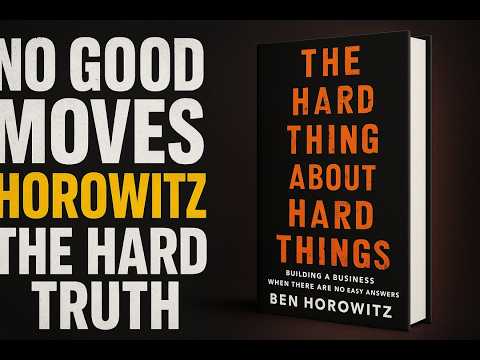
- 03Authored two best-selling books, 'The Hard Thing About Hard Things' (2014) and 'What You Do Is Who You Are' (2019), which provide foundational texts for entrepreneurs and managers on leadership, culture, and navigating corporate challenges.
- 04Held key leadership positions at Netscape Communications (e.g., VP and General Manager of the Directory and Security Product Line), contributing to early internet infrastructure development and product strategy.
- 05Oversaw the integration of Opsware into HP Software as Vice President and General Manager, demonstrating executive capability in post-acquisition environments.
Lessons for Operators
Key Takeaways
Practical lessons distilled for operators, investors, C-levels, and capital allocators.
Leadership in Crisis
Horowitz's tenure at Opsware demonstrates that effective crisis leadership involves radical transparency with employees, decisive strategic pivots, and unwavering commitment to the company's survival, even when it entails unpopular decisions.
The Importance of Culture
Culture is a deliberate creation, not an accidental outcome. It must be actively designed, communicated through behavior, and reinforced by systems and incentives. A strong culture can be a strategic differentiator, especially during growth or crisis.
Founder Support
Venture capital extends beyond capital; it includes operational and strategic support for founders. Horowitz's emphasis on founders' needs and the role of VCs as active partners, particularly in coaching and network access, is a hallmark of a16z.
Operational Acumen
Successful entrepreneurship requires deep operational understanding. Horowitz's experience from Netscape to Opsware highlights the necessity of mastering product, sales, marketing, and organizational management to build and scale a business.
Navigating Market Shifts
Markets are dynamic and unforgiving. Companies must be prepared to execute significant strategic pivots (like Loudcloud to Opsware) based on market feedback and competitive landscapes, even if it means abandoning initial visions.
Frameworks & Principles
Named frameworks and strategic principles they popularized or embodied.
The Good Product Manager / Bad Product Manager
A framework (initially developed at Netscape) that defines the characteristics and behaviors of effective vs. ineffective product managers. Good PMs understand the market, define the product, and drive its success, while bad PMs merely project manage or act as order takers.
When to useFor evaluating and coaching product managers, establishing clear expectations for product leadership, and fostering product-led growth within an organization.
Peacetime CEO / Wartime CEO
Distinguishes between leadership styles required for periods of stability (peacetime) and periods of existential threat or rapid change (wartime). A wartime CEO is often more autocratic, decisive, and comfort-zone-averse, prioritizing survival above all else.
When to useTo assess leadership effectiveness during different business cycles, understand the shift in required management tactics during crises or hyper-growth, and prepare leaders for dynamic market conditions.
Culture as a Deliberate Act
Horowitz argues that culture is not accidental; it is built through actions, decisions, and the stories leaders tell. It's about 'what you do is who you are,' not just values on a wall. Leaders must actively design and reinforce desired cultural attributes.
When to useWhen establishing, re-evaluating, or reinforcing organizational culture to ensure it drives desired behaviors, values, and strategic outcomes rather than being a mere declaration.
Recent Appearances
Latest interviews, keynotes, and press from the past half year.
 youtube.com
 youtube.com
 youtube.com
 youtube.com
 youtube.com
 youtube.comyoutube.com
 youtube.com
 youtube.com
 youtube.com
 youtube.com
 youtube.com
 youtube.com
 youtube.com
 youtube.com
 youtube.com
 youtube.com
 youtube.com
 youtube.com
 youtube.com
 youtube.com
 youtube.com
 youtube.com
 youtube.com
 youtube.com
 youtube.com
 youtube.com
 youtube.com
 youtube.com
 youtube.com
 youtube.com
 youtube.com
 youtube.comyoutube.com
 youtube.com
 youtube.com
 youtube.com
 youtube.com
 youtube.com
 youtube.com
 youtube.com
 youtube.com
 youtube.com
 youtube.com
 youtube.com
 youtube.com
 youtube.com
 youtube.com
 youtube.com
 youtube.com
 youtube.com
 youtube.com
 youtube.com
 youtube.com
 youtube.com
 youtube.com
 youtube.com
 youtube.com
 youtube.com
 youtube.com
 youtube.comyoutube.com
 youtube.com
 youtube.com
 youtube.com
 youtube.com
 youtube.comyoutube.com
 youtube.com
 youtube.com
 youtube.com
 m.youtube.com
 youtube.com
 youtube.com
 m.youtube.com
 m.youtube.com
 m.youtube.comyoutube.com
 youtube.com
 youtube.com
 youtube.com
 youtube.com
 youtube.com
 youtube.com
 m.youtube.com
 youtube.com
 youtube.com
 youtube.com
 youtube.com
 youtube.comyoutube.com
 youtube.com
 youtube.com
 youtube.com
 m.youtube.com
 youtube.com
 youtube.com
 youtube.com
 youtube.com
 youtube.comyoutube.com
 youtube.com
 youtube.com
 youtube.com
 youtube.comyoutube.com
 youtube.com
 youtube.com
 youtube.com
 youtube.com
 m.youtube.comyoutube.com
 m.youtube.com
 m.youtube.com
 youtube.com
 youtube.com
 youtube.com
 youtube.com
 youtube.comyoutube.com
 youtube.com
 youtube.com
 youtube.com
 youtube.com
 youtube.com
 youtube.com
 youtube.com
 youtube.com
 youtube.com
 youtube.com
 youtube.com
 youtube.com
 youtube.com
 youtube.comyoutube.comyoutube.com
Sources & Further Reading
Profiles, interviews, podcasts, and articles used to compile and verify this entry. Each link opens at the original publisher.
- interviewBen Horowitz Says America Must Rebuild And AI Hits A Bottleneck ...forbes.com→
- interviewAndreessen Horowitz raises $15 billion, big in infrastructure, defensecnbc.com→
- interviewHow Trump's Anthropic ban can quickly become existential business ...cnbc.com→
- interviewAI super PAC putting lobbying war chest to work in midterm electionscnbc.com→
- interviewNation's largest fleet of police Cybertrucks to patrol Las Vegas - CNBCcnbc.com→
- interviewA16Z Built A Family Office Because Traditional Wealth Management ...forbes.com→
- interviewThe Latest Perk Andreessen Horowitz Offers Startups? Going Viral ...inc.com→
- interviewRecruiting Is The New Marketing — Inside AI's Talent War - Forbesforbes.com→
- interview7 Books That Should Be On Every Entrepreneur's Christmas Listforbes.com→
- interviewAmerica Doesn't Do Fascism - WSJwsj.com→
- interviewReading Socrates in Silicon Valley - Financial Timesft.com→
- interviewTech, Media & Telecom Roundup: Market Talk - WSJwsj.com→
- interviewRepublican US senator warns of 'political cost' for supporting AIft.com→
- interviewTALA founder: 'We weren't going to make payroll — so I sold my car'ft.com→
- interviewHealthcare Investors Vijay Pande, Zack Werner Team Up to Form ...wsj.com→
- podcastThe Ben & Marc Show - YouTubeyoutube.com→
- podcastBen Horowitz on Raising a New Fund and How Venture Firms Scalepodcasts.apple.com→
- podcastThe Ben & Marc Show - Apple Podcastspodcasts.apple.com→
- podcastBen Horowitz: What Founders Must Know About AI and Cryptopodcasts.apple.com→
- podcastThe Ben & Marc Show | Podcast on Spotifyopen.spotify.com→
- podcastBen Horowitz on AI Infrastruct… - The a16z Show - Apple Podcastspodcasts.apple.com→
- podcastHow To Lead | Ben Horowitz on My First Million - Apple Podcastspodcasts.apple.com→
- podcastBen Horowitz - Backing America's Future - Apple Podcastspodcasts.apple.com→
- podcastBen Horowitz and Ali Ghodsi: H… - The a16z Show - Apple Podcastspodcasts.apple.com→
- podcastBen Horowitz on Making Tough Decisions as a CEO - LinkedInlinkedin.com→
- podcastBen Horowitz, co-founder and General Partner, of a16z says, “Life ...instagram.com→
- podcastHow To Lead | Ben Horowitz on My First Million by The a16z Showpodchaser.com→
- podcastMy man Ben Horowitz building on the Paid In Full Foundation's ...instagram.com→
- podcastAll Episodes | Acquired Podcastacquired.fm→
- podcastThe a16z co-founder is asked for the no. 1 reason ... - Instagraminstagram.com→
- podcastBen Horowitz On What Makes a Great Foundera16z.com→
- podcastBen Horowitz: Why Open Source AI Will Determine America's Futurea16z.com→
- podcastHedge funds are reducing risk exposure, the market mindset has ...cryptobriefing.com→
- podcastScott Sakakihara catches criticism from opponents over support from ...facebook.com→
- podcastI Thought I Knew Silicon Valley. I Was Wrong - WIREDwired.com→
- podcastDave Olsen's Post - LinkedInlinkedin.com→
- podcastWhen the Executive Branch soft-launched in Washington, DC, last ...instagram.com→
- podcastTrump's Tech Czar on Crypto, AI, and American Innovationmusic.amazon.com→
- podcastGoogle Podcast Summary with Ben Gilbert, David Rosenthalshortform.com→
- podcastBen Gilbert and David Rosenthal, Co-Founders and Co - Facebookfacebook.com→
- podcastTrader Joe's Podcast Summary with Ben Gilbert, David Rosenthalshortform.com→
- podcasta16z: The Power Brokers - Not Boring by Packy McCormicknotboring.co→
- podcastHow to be a better Founder : r/founder - Redditreddit.com→
- podcastCrypto Compliance Podcast Success Tips | Stephen Sargeant ...linkedin.com→
- podcastMy Conversation With Marc Andreessen, Co-Founder of a16z ...podcastnotes.org→
- podcastTim Ferriss — How to Quiet the Ruminative Mind, Avoid Traps of Self ...facebook.com→
- podcast45 Best Podcasts for Entrepreneurs You Should Start Listening to Nowcloudways.com→
- podcast“Human psychology. Friends of ours wanted to give away a perfectly ...instagram.com→
- podcastEvery man has two lives. The second begins when he ... - Instagraminstagram.com→
- podcastI had the honor of interviewing Dr. Benjamin Hardy for my Wallstreet ...facebook.com→
- podcastBooks that shift how you think about business. Missing these on your ...instagram.com→
- podcastAudiobooks Recommended by Tim Ferriss | Must Readsaudiobooksarcade.com→
- podcastAI Learning Sources: Calacanis, Fridman, Horowitz, FT, Forbeslinkedin.com→
- podcastMarc Andreessen: The real AI boom hasn't even started yetlennysnewsletter.com→
- podcastBen Horowitz explains the biggest mistake founders make pitching ...instagram.com→
- podcastMarc Andreessen: The real AI b… - Lenny's Podcast: Product | Careerpodcasts.apple.com→
- podcastBen Horowitz - [Invest Like the Best, EP.457] | Podcast on Spotifyopen.spotify.com→
- podcastInvest Like the Best with Patrick O'Shaughnessy | Nick Mavricklinkedin.com→
- podcast'Where's All The Job Destruction? ' Andreessen Horowitz Co ...finance.yahoo.com→
- podcastInvest Like the Best with Patrick O'Shaughnessy podcast - Metacastmetacast.app→
- podcastBen Horowitz: AI Job Loss Panic Misguided, Creativity ... - LinkedInlinkedin.com→
- podcastHow Shane Parrish turned a mistake into a global movement | Yatri ...linkedin.com→
- podcastHow can we make the best decisions? Clear Thinking by Shane ...instagram.com→
- podcastA hidden aspect of working hard Connor Teskey on The Knowledge ...instagram.com→
- podcastMy Favorite Resources for Life and Career Inspo - Emily Pik Coachingemilypik.com→
- podcastStewart Butterfield is the most successful failed gaming founder of all ...instagram.com→
- podcastMarc Andreessen is a philosophical zombie - Facebookfacebook.com→
- podcastBased on the highly acclaimed NPR podcast, How I Built This with ...instagram.com→
- podcastHow I Built This Chapter Summary | Guy Raz - Bookeybookey.app→
- podcastr/startup on Reddit: What are the best books to learn and understand ...reddit.com→
- podcastI built a 9-figure global business and wrote 18 books on how I did it ...facebook.com→
- podcast9 books I wish I'd read before I started my first business. They would ...facebook.com→
- podcastLessons from 1-800-GOT-JUNK founder on entrepreneurship and ...linkedin.com→
- podcastBooks that every entrepreneur should read All available at ...facebook.com→
- podcastWhat was the last business book that actually changed ... - Instagraminstagram.com→
- podcastThe future of crypto, with Emilie Choi - Masters of Scalemastersofscale.com→
- podcastSitting down with Reid Hoffman, cofounder of LinkedIn and huge ...facebook.com→
- podcastNONFICTION, SELF HELP, BUSINESS, ENTREPRENEURSHIP ...instagram.com→
- podcastCoinbase President Emilie Choi on problem solving and successlinkedin.com→
- podcastco-founder and CEO of Yozo.ai - points out, the best entrepreneurs ...facebook.com→
- podcastTop Silicon Valley Podcasts - Startup - Critical Capital Partnerscritical-cap.com→
- podcastWhen one of the world's most respected CEOs recommends a book ...facebook.com→
- podcast20VC with Jason, Rory & Sam: Debate on DPI, AI, IPOs and morelinkedin.com→
- podcastMarc Andreessen recently joined Harry Stebbings on the 20VC ...instagram.com→
- podcastharry - Instagraminstagram.com→
- podcastVC Success: Sourcing, Selecting, Securing, Servicing with Techlinkedin.com→
- podcastAnish Acharya: Is SaaS Dead in a World of AI? | Andreessen Horowitza16z.com→
- podcastMarc Andreessen on the Mindset of Great Founders — with David ...a16z.com→
- podcastDavid Senra - Apple Podcastspodcasts.apple.com→
- podcastMasterclasses with Ovitz, Clark, Musk & Andreessen - LinkedInlinkedin.com→
- podcastIn a recent appearance on David Senra's Founders podcast, Marc ...instagram.com→
Explore Related Titans
Other figures in the archive who share Ben Horowitz's domain, geography, or era.
More in Technology


From United States
Contemporaries — born 1960s