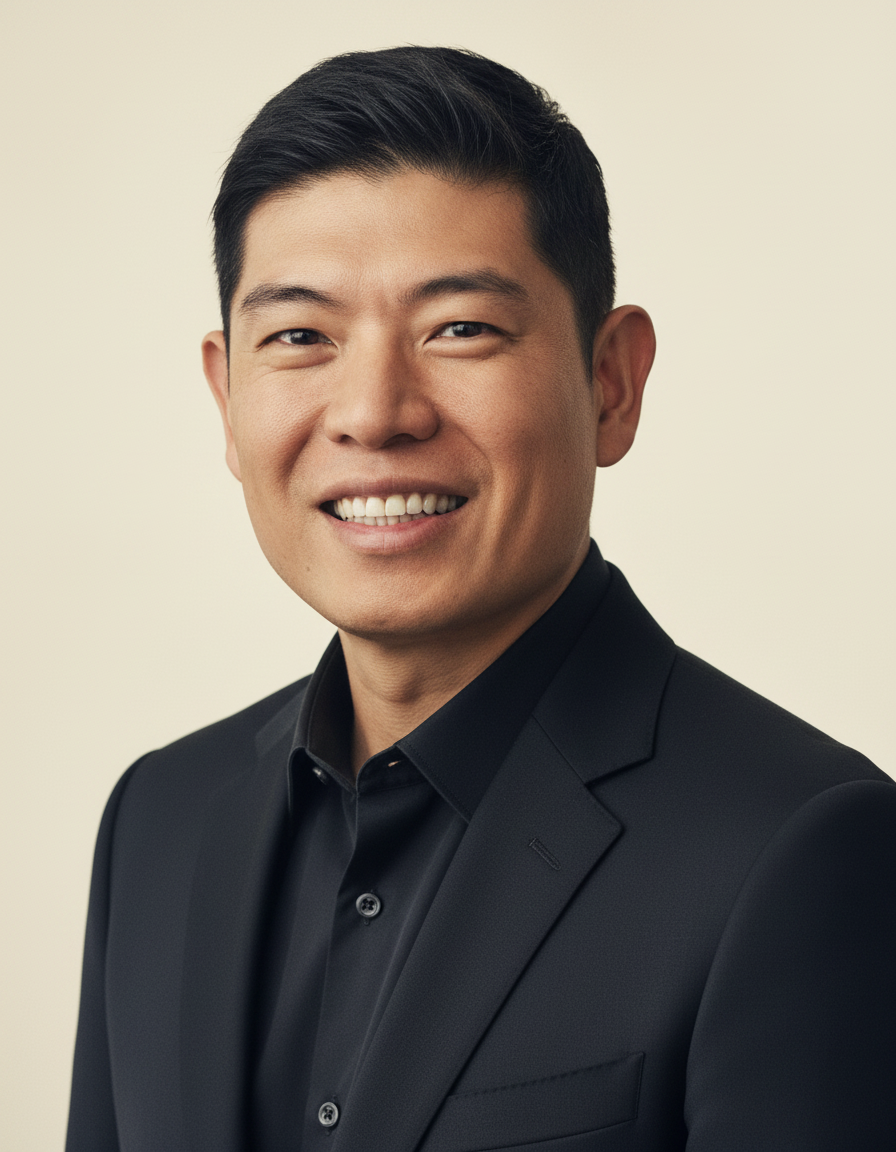
Anthony Tan
Co-founder and CEO of Grab, a leading Southeast Asian super app.
Anthony Tan is the co-founder and CEO of Grab, Southeast Asia's most valuable startup. Starting as a taxi-hailing app, Grab evolved under Tan's leadership into a diversified super app offering ride-hailing, food delivery, grocery delivery, and financial services across 8 countries.
Biography
Accomplishments
- 01Co-founded Grab (originally MyTeksi) in 2012, building it into Southeast Asia's leading 'super app'.
- 02Successfully executed the acquisition of Uber's Southeast Asian operations in 2018, consolidating market leadership.
- 03Pivoted Grab from a ride-hailing app to a diversified platform encompassing food delivery, payments, and other on-demand services.
- 04Led Grab through multiple funding rounds, raising over $12 billion from global investors, including SoftBank and Didi Chuxing.
- 05Orchestrated Grab's public listing on Nasdaq in December 2021 via a SPAC merger, achieving a multi-billion dollar valuation.
- 06Expanded Grab's operations to over 400 cities across 8 countries in Southeast Asia.
Lessons for Operators
Key Takeaways
Practical lessons distilled for operators, investors, C-levels, and capital allocators.
Hyper-Localization for Market Entry
Tan's strategy for Grab involved deeply understanding local challenges (e.g., taxi safety in Malaysia) and tailoring solutions specifically for those markets, rather than a one-size-fits-all approach. This built trust and user adoption rapidly.
Aggressive Ecosystem Building
Grab's transition from a single-service app to a 'super app' offering multiple daily services (transport, food, payments) demonstrates the power of creating an interconnected ecosystem. This increases user engagement and reduces churn.
Strategic M&A for Dominance
The acquisition of Uber's Southeast Asian operations illustrates how strategic mergers and acquisitions can eliminate significant competition and consolidate market leadership, provided the integration is managed effectively.
Capital Allocation for Growth
Tan’s ability to consistently raise substantial capital from diverse global investors allowed Grab to fund its aggressive expansion, technological development, and market penetration, outcompeting rivals that lacked similar funding.
Frameworks & Principles
Named frameworks and strategic principles they popularized or embodied.
Super App Strategy
The approach of consolidating multiple daily-use services (e.g., ride-hailing, food delivery, payments, logistics) into a single mobile application to capture a larger share of consumer's digital wallet and time.
When to useApplicable for businesses seeking to increase user stickiness, cross-sell services, and expand their total addressable market in regions with high smartphone penetration and rapidly digitizing economies.
Localization Model
Tailoring product features, marketing, and operational strategies to specific local market conditions, cultural preferences, and regulatory environments, rather than a standardized global approach.
When to useCritical for companies entering diverse international markets, especially in regions like Southeast Asia with significant variations in infrastructure, language, and consumer behavior between countries and even cities.
Platform Ecosystem Development
Building a symbiotic relationship between multiple stakeholders (e.g., drivers, merchants, consumers, financial institutions) on a common platform, where each group benefits from the network effects created by the others.
When to useValuable for technology companies aiming to create defensible moats and scale rapidly by attracting and retaining diverse user bases, particularly in on-demand services and marketplace models.
Recent Appearances
Latest interviews, keynotes, and press from the past half year.
 youtube.com
 youtube.com
 youtube.comyoutube.com
 youtube.com
 youtube.com
 youtube.com
 youtube.com
 youtube.com
 youtube.com
 youtube.com
 youtube.com
 youtube.com
 youtube.com
 youtube.com
 youtube.com
 youtube.com
 youtube.com
 youtube.com
 youtube.com
 youtube.com
 youtube.com
 youtube.com
 youtube.com
 youtube.com
 youtube.com
 youtube.com
 youtube.comyoutube.com
 youtube.com
 youtube.com
 youtube.com
 youtube.com
 youtube.com
 youtube.com
 youtube.com
 youtube.com
 youtube.com
 youtube.com
 youtube.com
 youtube.com
 youtube.com
 youtube.com
 youtube.com
 youtube.com
 youtube.com
 youtube.com
 youtube.com
 youtube.com
 youtube.com
 youtube.com
 youtube.com
 youtube.com
 youtube.com
 youtube.com
 youtube.com
 m.youtube.com
 youtube.com
 youtube.com
 youtube.com
 youtube.com
 youtube.com
 youtube.com
 youtube.com
 youtube.com
 youtube.com
 youtube.com
 youtube.com
 youtube.com
![GRAB X 2026 Jakarta! 13 Fitur AI yang Ubah Hidupmu... - [Zona Bisnis]](https://i.ytimg.com/vi/umW2Zy5j9Pg/hqdefault.jpg) youtube.com
youtube.com youtube.com
 youtube.com
 youtube.com
 youtube.com
 youtube.com
 youtube.com
 youtube.com
 youtube.com
 youtube.com
 youtube.com
 youtube.com
 youtube.com
 youtube.com
 youtube.com
 youtube.com
 youtube.com
 youtube.com
 youtube.com
 youtube.com
 youtube.com
 m.youtube.com
 m.youtube.com
 youtube.com
 youtube.com
 youtube.com
 youtube.com
 youtube.com
 youtube.com
 youtube.com
Explore Related Titans
Other figures in the archive who share Anthony Tan's domain, geography, or era.
More in Technology




From Malaysia
Contemporaries — born 1980s