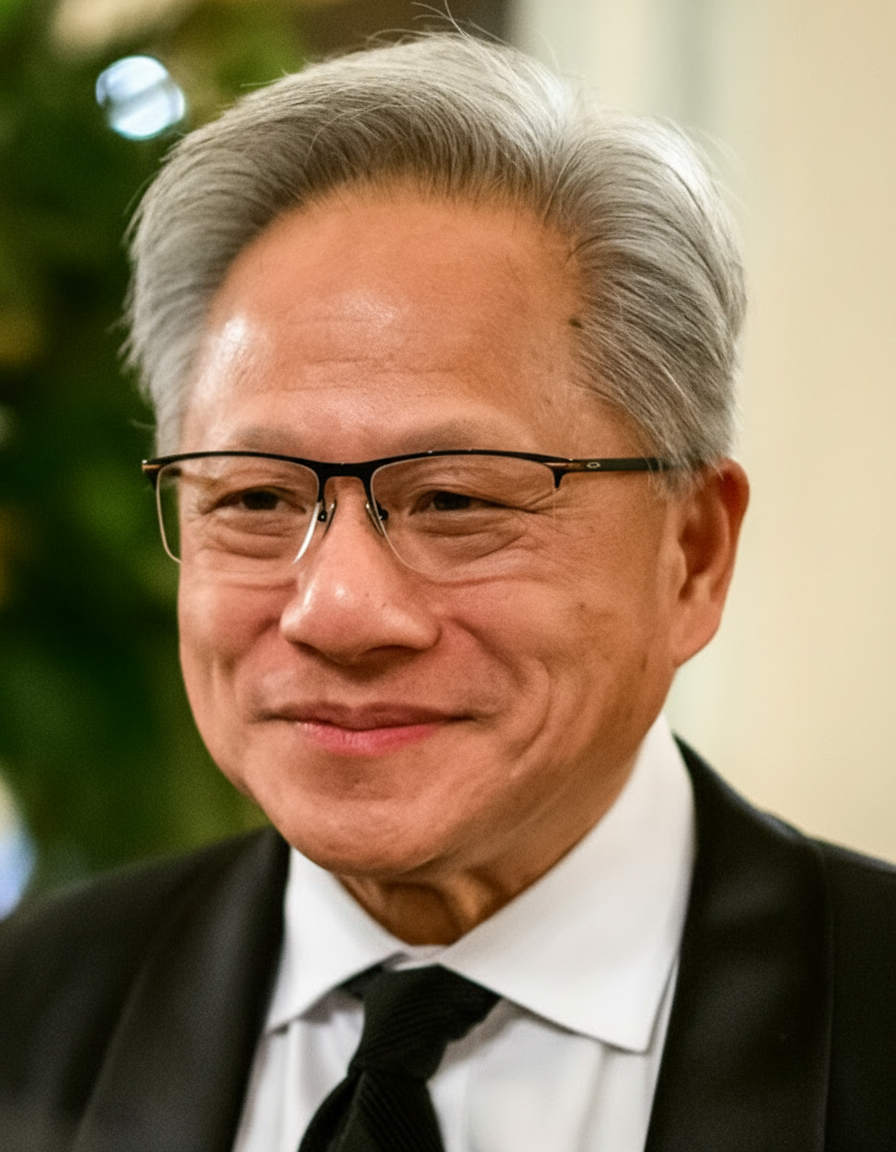
Tony Fernandes
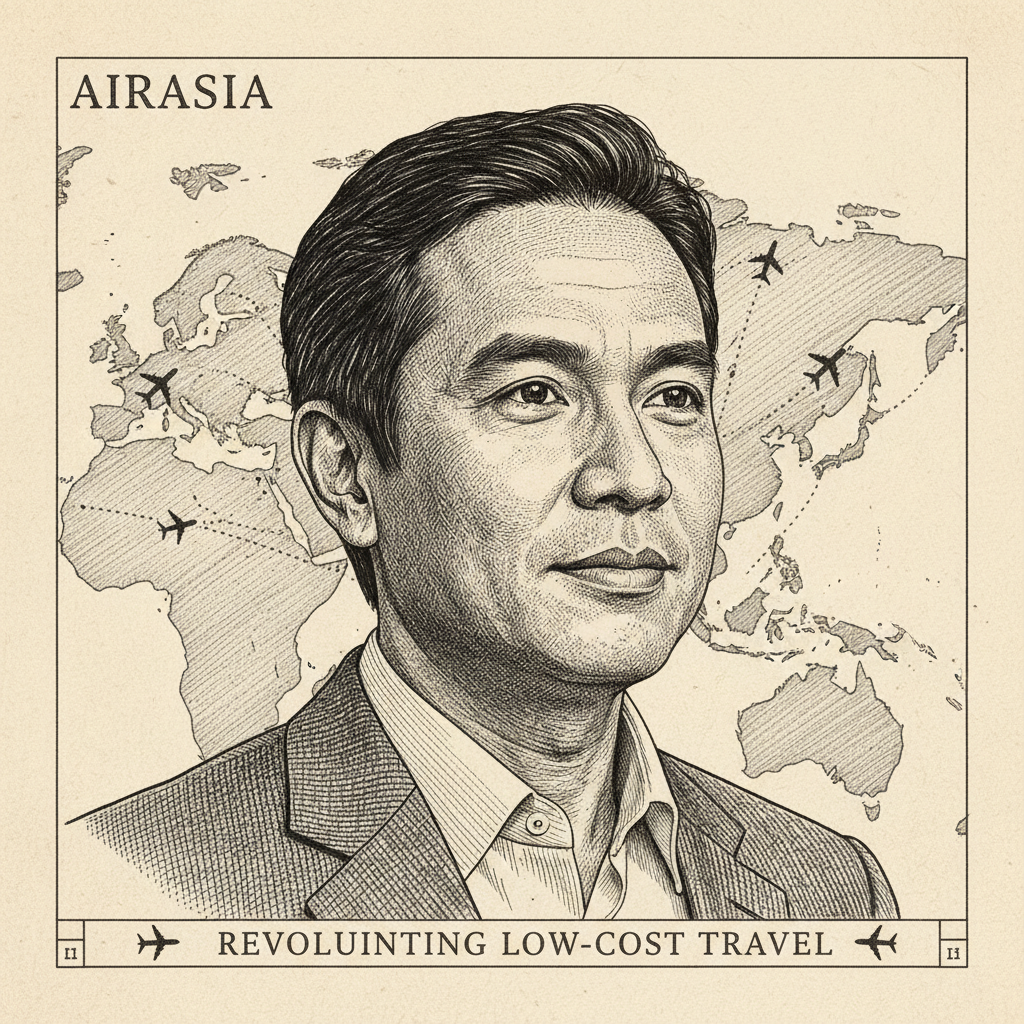
The disruptor of Asian aviation, democratizing air travel through low-cost innovation and diversified ventures.
Tony Fernandes is a Malaysian entrepreneur best known for co-founding Tune Air Sdn. Bhd., which acquired and rebranded AirAsia into a leading low-cost carrier. He expanded the AirAsia brand into ancillary businesses including hospitality (Tune Hotels), financial services (Tune Money), and entertainment (Caterham F1 Team).
Biography
Accomplishments
- 01Transformed debt-ridden government airline AirAsia into Asia's largest low-cost carrier (2001-present), serving over 100 destinations.
- 02Pioneered the 'no-frills' aviation model in Southeast Asia, making air travel accessible to millions.
- 03Successfully diversified the brand into hospitality (Tune Hotels), financial services (Tune Money), and entertainment (Caterham F1, QPR FC).
- 04Secured and managed strategic partnerships and joint ventures for AirAsia across Thailand, Indonesia, Philippines, India, and Japan.
- 05Led AirAsia's IPO in 2004, achieving significant market capitalization and investor confidence.
- 06Awarded Commander of the Order of the British Empire (CBE) by Queen Elizabeth II in 2011 for services to British aviation abroad.
Lessons for Operators
Key Takeaways
Practical lessons distilled for operators, investors, C-levels, and capital allocators.
Disrupt incumbent industries by redefining value proposition
Fernandes democratized air travel by challenging traditional airline pricing and service models, making air travel affordable to a segment previously underserved. This wasn't just about lower prices but a fundamental shift in perception: air travel as a commodity, not a luxury.
Scalability through operational excellence and strategic partnerships
AirAsia's rapid regional expansion was achieved not solely organically but through joint ventures (e.g., AirAsia X, Thai AirAsia, Indonesia AirAsia), replicating the successful low-cost model with local partners, demonstrating a scalable business template.
A strong leader as a brand asset
Fernandes' charismatic personality and direct communication style made him synonymous with the AirAsia brand, fostering trust and enthusiasm among employees and customers alike. A visible and articulate leader can be a significant competitive advantage in market perception and employee engagement.
Revenue diversification enhances resilience
While aviation is cyclical, AirAsia's ecosystem of Tune-branded businesses (hotels, financial services, online travel agencies) provided alternative revenue streams and captured a larger share of customer wallet, insulating the core business from pure aviation turbulence.
Frameworks & Principles
Named frameworks and strategic principles they popularized or embodied.
Disruption Theory (Christensen)
Fernandes exemplifies 'new-market disruption' by creating a market for non-fliers who previously found air travel too expensive or inconvenient. He provided a 'good enough' solution at a significantly lower price point, eventually attracting even mainstream customers.
When to useWhen entering an established market dominated by high-cost, full-service providers, or when identifying a large, underserved customer segment unwilling/unable to pay for existing solutions.
Blue Ocean Strategy (Kim & Mauborgne)
AirAsia created a new market space by focusing on the 'non-customer' — those who traveled by bus or train. By eliminating and reducing features considered standard in traditional airlines (free meals, assigned seats, travel agents) and raising/creating features like online booking and self-check-in, they offered a fundamentally different value curve.
When to useWhen facing intense competition in a 'red ocean' and seeking to identify uncontested market space by simultaneously pursuing differentiation and low cost.
Ecosystem Business Model
Fernandes built an ecosystem around AirAsia, extending the brand and low-cost philosophy into related services like hotels, finance, and travel. This creates synergistic value, enhances customer loyalty, and diversifies revenue streams from a shared customer base.
When to useWhen considering how to expand beyond a core product/service by leveraging existing brand equity, customer data, and operational efficiencies into complementary offerings.
Value-Based Pricing
While perceived as low-cost, AirAsia's pricing model is sophisticated, combining dynamic pricing, ancillary revenue generation (baggage, seat selection, meals), and a focus on 'unbundled' services where customers pay only for what they use, thus maximizing perceived value for diverse segments.
When to useWhen optimizing revenue in a competitive market by understanding customer willingness to pay for specific features and monetizing every touchpoint, rather than relying solely on a single upfront price.
Recent Appearances
Latest interviews, keynotes, and press from the past half year.
 youtube.com
 youtube.comyoutube.com
 youtube.com
 youtube.com
 youtube.com
 youtube.com
 youtube.com
 youtube.com
 youtube.com
 youtube.com
 youtube.com
 youtube.com
 youtube.com
 youtube.com
 youtube.com
 youtube.com
 youtube.com
 youtube.com
 youtube.com
 youtube.com
 youtube.com
 youtube.com
 youtube.com
 youtube.com
Sources & Further Reading
Profiles, interviews, podcasts, and articles used to compile and verify this entry. Each link opens at the original publisher.
Explore Related Titans
Other figures in the archive who share Tony Fernandes's domain, geography, or era.
More in Technology









From Malaysia

Contemporaries — born 1960s