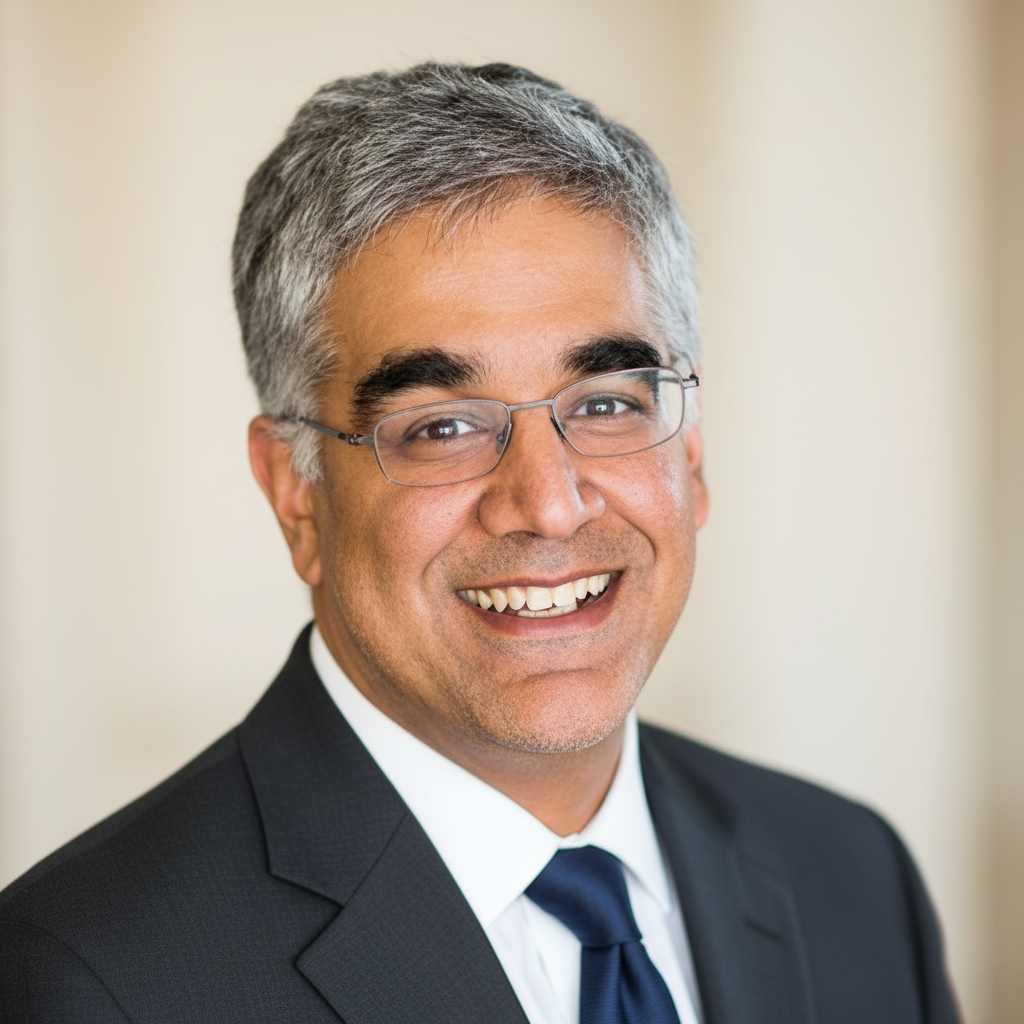
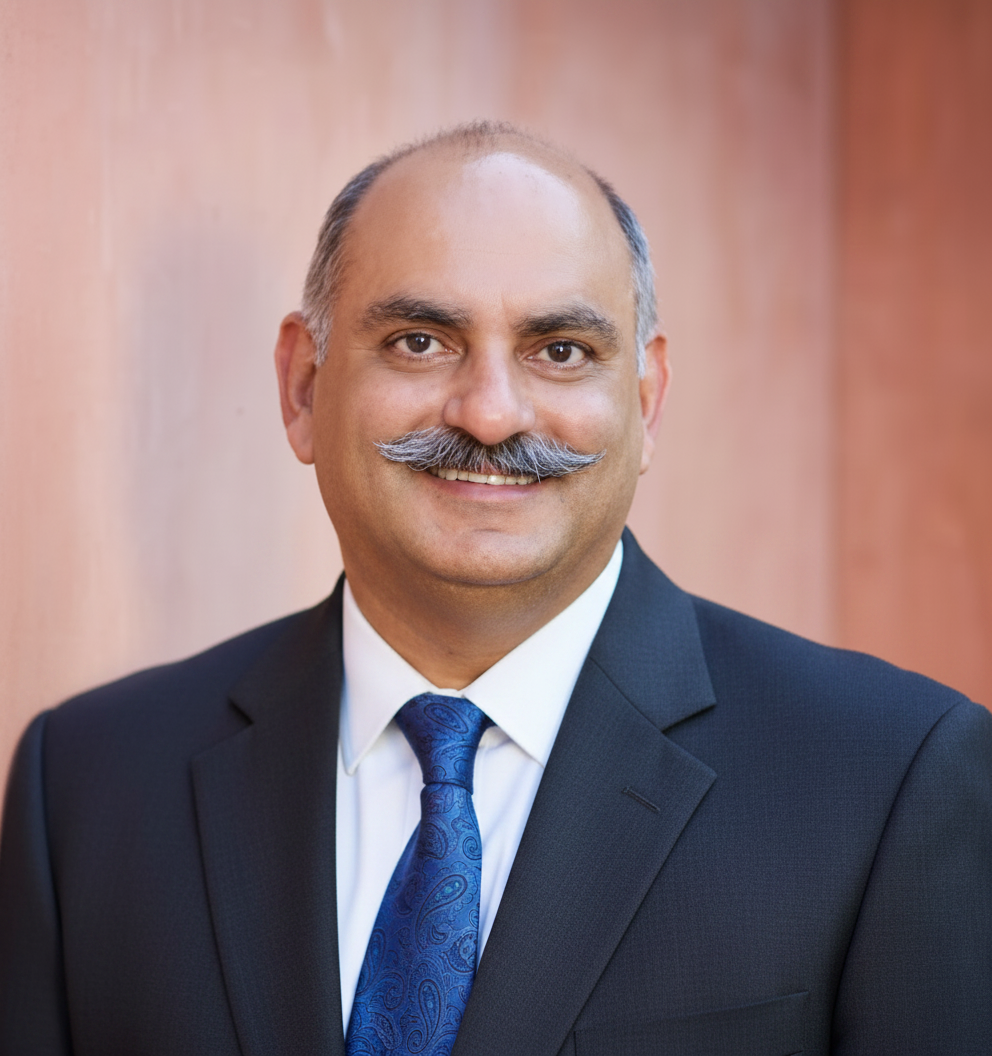
Aneel Bhusri
Co-founder and CEO of Workday, driving enterprise cloud transformation, former EVP at PeopleSoft, and prominent venture capitalist.
Aneel Bhusri is a leading figure in enterprise software, renowned for co-founding Workday in 2005, a cloud-based financial management and human capital management software vendor. Previously, he held executive roles at PeopleSoft, including Senior Vice President, and has a distinguished career in venture capital, serving as a Partner at Greylock Partners since 1999.
Biography
Accomplishments
- 01Co-founded Workday in 2005 and led its growth to a multi-billion dollar publicly traded company (NYSE: WDAY), establishing it as a dominant force in cloud-based HCM and Financial Management.
- 02Successfully navigated Workday's IPO in 2012, raising over $637 million and validating the cloud-native enterprise software model.
- 03Served as a Partner at Greylock Partners since 1999, identifying and investing in numerous successful enterprise software companies, such as Workday, SuccessFactors, and Pure Storage.
- 04Played a critical role as Senior Vice President of Product Strategy, Marketing, and Business Development at PeopleSoft during its period of significant growth and market leadership.
- 05Orchestrated Workday's strategic expansion into financial management, successfully challenging deeply entrenched legacy ERP vendors.
- 06Maintained a strong corporate culture at Workday, consistently ranking high on 'best places to work' lists, even amidst rapid growth.
Lessons for Operators
Key Takeaways
Practical lessons distilled for operators, investors, C-levels, and capital allocators.
Cloud-Native Advantage
Building software from the ground up for the cloud (SaaS) offers significant advantages in agility, scalability, feature delivery, and TCO over re-platforming legacy applications. This was Workday's core differentiator.
Talent & Culture as Moat
Attracting and retaining experienced talent with shared vision and fostering a strong, employee-centric culture creates a formidable competitive advantage, especially in complex enterprise software development.
Customer-Centric Product Design
Enterprise software adoption is increasingly driven by user experience and ease of use. Prioritizing intuitive design and continuous customer feedback leads to higher retention and market penetration.
Long-Term Vision in Enterprise
Disrupting established enterprise markets requires a multi-year commitment to product development, sales, and market education. Success is not overnight; it's a result of sustained strategic execution.
VC Perspective for Founders
Founders with venture capital experience gain critical insights into market cycles, funding strategies, and competitive landscapes, which can be invaluable in scaling a startup and managing investor relations.
Frameworks & Principles
Named frameworks and strategic principles they popularized or embodied.
Greenfield Cloud Architecture
The strategic decision to build Workday's software entirely new, specifically for the cloud, rather than adapting existing on-premise solutions. This enabled a single codebase, multi-tenancy, and consistent updates.
When to useWhen entering a market with significant technological shifts (e.g., cloud, AI, mobile) and legacy incumbents burdened by outdated architectures. Best for highly scalable, service-oriented solutions.
People-First Culture Model
An organizational philosophy that prioritizes employee well-being, growth, and empowerment, believing that a highly engaged workforce directly leads to superior product development and customer satisfaction.
When to useEssential for any organization relying on intellectual capital and innovation. Helps with talent acquisition, retention, and fostering a collaborative, resilient company culture.
Dual-Role Strategic Insight
Leveraging experience as both an operator (CEO) and an investor (VC) to gain a holistic view of market dynamics, product strategy, and capital allocation. This informs both company building and investment decisions.
When to useApplicable for seasoned professionals looking to bridge the gap between entrepreneurial execution and strategic investment, providing a competitive edge in both domains.
Recent Appearances
Latest interviews, keynotes, and press from the past half year.
 youtube.com
 youtube.com
 youtube.com
 youtube.com
 youtube.com
 youtube.com
 youtube.com
 youtube.com
 youtube.com
 youtube.com
 youtube.com
 youtube.com
 youtube.com
 youtube.com
 youtube.com
 youtube.com
 youtube.com
 youtube.com
 youtube.com
 youtube.com
 youtube.com
 youtube.com
 youtube.com
 youtube.com
 youtube.comm.youtube.com
 youtube.com
 youtube.com
 youtube.com
 youtube.com
 youtube.com
 youtube.com
 youtube.com
 youtube.com
 youtube.com
 youtube.com
 youtube.com
 youtube.comm.youtube.com
 youtube.com
 youtube.com
 youtube.com
 youtube.com
 youtube.com
 youtube.com
 youtube.com
 youtube.com
 youtube.com
 youtube.com
 youtube.com
 youtube.com
 youtube.com
 youtube.com
 youtube.com
 youtube.com
 youtube.com
 youtube.com
 youtube.com
 youtube.com
 youtube.com
 youtube.com
 m.youtube.com
 youtube.com
 youtube.com
 youtube.com
 youtube.com
 m.youtube.com
 youtube.com
 youtube.com
 youtube.com
 youtube.com
 m.youtube.com
 youtube.com
 m.youtube.comyoutube.com
 youtube.com
 youtube.com
 youtube.com
 youtube.com
 youtube.com
 youtube.com
Explore Related Titans
Other figures in the archive who share Aneel Bhusri's domain, geography, or era.
More in Technology









From United States


Contemporaries — born 1960s