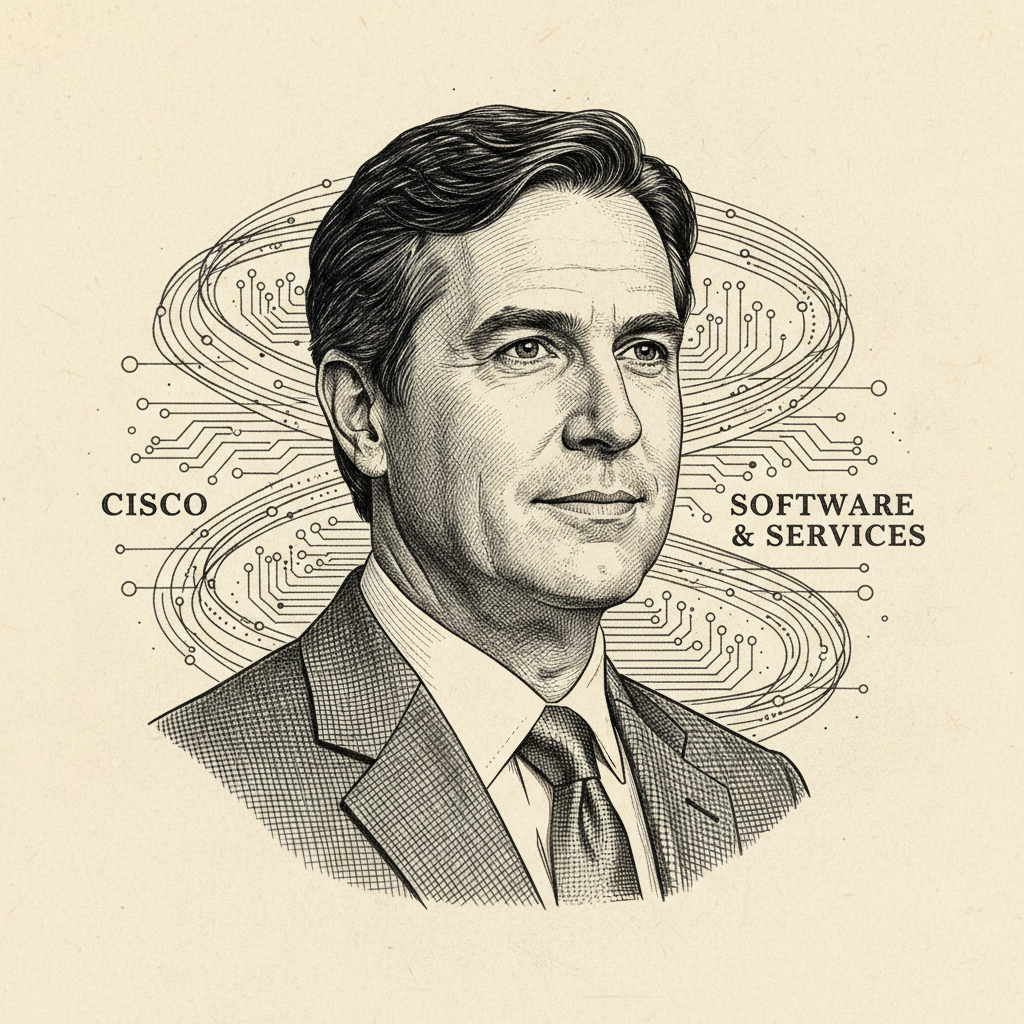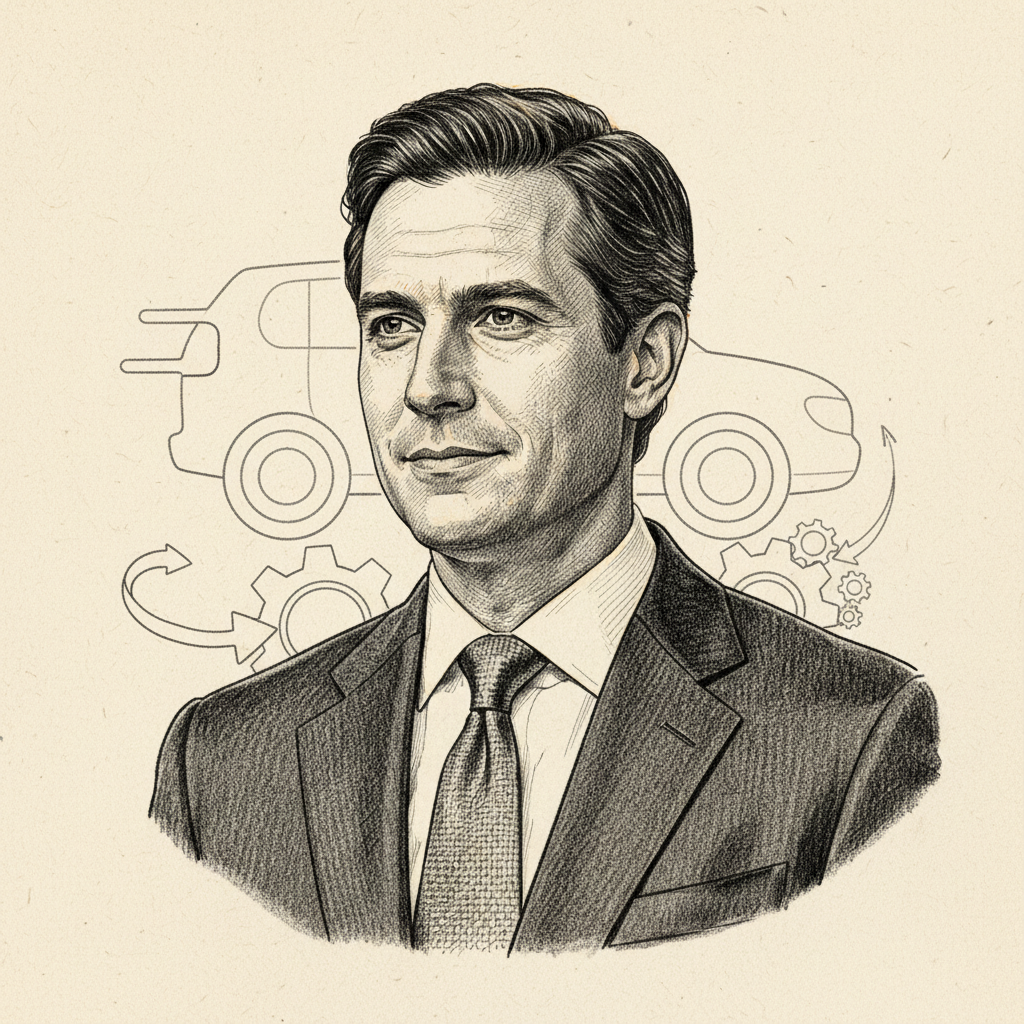
Andy Jassy
Architect of AWS, successor to Jeff Bezos, leading Amazon's diversified global enterprise.
Andrew R. Jassy is an American business executive who has served as the President and CEO of Amazon since July 5, 2021. Prior to this role, he was the CEO of Amazon Web Services (AWS), the company's cloud computing division, which he co-founded in 2003. Under his leadership, AWS grew from an internal infrastructure project into a dominant global cloud platform, generating significant revenue and profit for Amazon.
Biography
Accomplishments
- 01Co-founded Amazon Web Services (AWS) in 2003, transforming internal infrastructure into a multi-billion dollar external business unit.
- 02Led AWS as CEO from 2016 to 2021, growing it into the dominant global cloud computing platform with over $40 billion in annual revenue by 2020.
- 03Oversaw the expansion of AWS's service offerings, including EC2, S3, Lambda, and SageMaker, establishing it as an innovation leader in cloud services.
- 04Successfully transitioned to CEO of Amazon in 2021, following Jeff Bezos, demonstrating effective succession planning in a major global corporation.
- 05Navigated Amazon through significant macroeconomic headwinds, including supply chain disruptions and inflation, maintaining profitability and strategic investment.
- 06Initiated a period of cost optimization and rationalization within Amazon's core e-commerce and logistics operations, improving efficiency and capital allocation.
- 07Expanded Amazon's investment in artificial intelligence, particularly in generative AI, positioning the company for future growth and competitive advantage.
- 08Maintained AWS's market leadership amidst increasing competition from Microsoft Azure and Google Cloud, continuously innovating and expanding global infrastructure.
Lessons for Operators
Key Takeaways
Practical lessons distilled for operators, investors, C-levels, and capital allocators.
Leveraging Internal Assets
Jassy's tenure at AWS exemplifies how internal operational strengths (like Amazon's IT infrastructure) can be productized and scaled into new, highly profitable business lines. Businesses should audit their proprietary processes, technologies, or capabilities for external market potential.
The Power of Platforms
AWS's success demonstrates the immense value of building foundational platforms that enable other businesses. Creating tools and services that abstract complexity for customers (e.g., cloud computing, logistics solutions) can foster ecosystem growth and generate recurring revenue streams.
Strategic Patience and Investment
AWS required significant initial investment and time to mature into a dominant player. Jassy's leadership highlights the importance of sustained, long-term strategic commitment to ambitious projects, even if immediate profitability is not apparent, especially in nascent technology sectors.
Customer-Obsessed Product Development
The 'working backward' approach, deeply ingrained at Amazon and championed by Jassy at AWS, ensures that product and service development directly addresses customer problems. This involves starting with the desired customer experience and reverse-engineering the solution, rather than building technology and hoping for adoption.
Operational Rigor at Scale
As CEO of Amazon, Jassy has emphasized efficiency and operational excellence across a massive, complex enterprise. This includes scrutinizing cost structures, optimizing logistics, and ensuring that strategic investments yield tangible returns, which is crucial for managing profitability in a low-margin business.
Adaptability in Leadership
Jassy's transition from leading a high-growth, technically focused cloud business to overseeing a sprawling, diversified global conglomerate required a significant shift in strategic focus and leadership style, demonstrating adaptability to different business contexts and challenges.
Talent Development and Succession
Jassy's rise to CEO underscores the importance of developing deep internal talent and establishing robust succession plans. His long tenure and deep understanding of Amazon's culture and operations ensured a smooth leadership transition.
Anticipating Future Technology Shifts
Jassy's current focus on generative AI and continued investment in AWS's machine learning capabilities demonstrates a forward-looking approach to technology, ensuring Amazon remains at the forefront of emerging industry trends and maintains a competitive edge.
Frameworks & Principles
Named frameworks and strategic principles they popularized or embodied.
Working Backwards
An Amazonian product development methodology where teams start by writing a press release announcing the finished product or service. This forces them to define the customer benefits, problem solved, and target audience before any code is written.
When to useWhen initiating new product or service development, evaluating strategic investments, or clarifying customer value propositions. Ensures customer needs are central to design.
Flywheel Effect (Virtuous Cycle)
A business strategy concept where one area of success feeds another, creating momentum. For Amazon, lower prices lead to more customer visits, which attracts more sellers, leading to greater scale, which lowers costs, allowing for lower prices again.
When to useWhen designing business models, understanding competitive advantages, or identifying levers for sustainable growth. Applicable for any business where interconnected successes amplify each other.
Two-Pizza Teams
An organizational principle advocating for small, autonomous teams (small enough to be fed by two pizzas) responsible for a specific product or service end-to-end. This promotes agility, accountability, and faster decision-making.
When to useWhen structuring engineering or product development teams, fostering innovation, or needing to accelerate project delivery in large organizations.
Disaggregation of Services (Microservices Architecture)
A software development approach, heavily utilized by AWS, where applications are built as a collection of small, independently deployable services that communicate with each other. This enhances scalability, resilience, and development speed.
When to useWhen designing complex, scalable software systems, migrating from monolithic applications, or building cloud-native infrastructure. Offers flexibility and reduces single points of failure.
Recent Appearances
Latest interviews, keynotes, and press from the past half year.
 youtube.com
 youtube.com
 youtube.com
 youtube.com
 youtube.com
 youtube.com
 youtube.com
 youtube.com
 youtube.com
 youtube.com
 youtube.com
 youtube.com
 youtube.com
 youtube.com
 youtube.com
 youtube.com
 youtube.com
 youtube.com
 youtube.com
 youtube.com
 youtube.com
 youtube.com
 youtube.com
 youtube.com
 youtube.com
 youtube.com
 youtube.com
 youtube.com
 youtube.com
 youtube.com
 youtube.com
 youtube.com
 youtube.com
 youtube.com
 youtube.com
 youtube.com
 youtube.com
 youtube.com
 youtube.com
 youtube.com
 youtube.com
 youtube.com
 youtube.com
 youtube.com
 youtube.com
 youtube.com
 youtube.com
 youtube.com
 youtube.com
 youtube.com
 youtube.com
 youtube.com
 youtube.com
 youtube.com
 youtube.com
 youtube.com
 youtube.com
 youtube.com
 youtube.com
 youtube.com
 youtube.com
 youtube.com
 youtube.com
 m.youtube.com
 youtube.com
 youtube.com
 youtube.com
 youtube.com
 youtube.com
 youtube.com
 youtube.com
 youtube.com
 youtube.com
 youtube.com
 youtube.com
 youtube.com
 youtube.com
 youtube.com
 youtube.com
 youtube.com
 youtube.com
 youtube.com
 youtube.com
 youtube.com
 youtube.com
 youtube.com
 youtube.com
 youtube.com
 youtube.com
 youtube.com
 youtube.com
 youtube.com
 youtube.com
 youtube.com
 youtube.com
 m.youtube.com
Sources & Further Reading
Profiles, interviews, podcasts, and articles used to compile and verify this entry. Each link opens at the original publisher.
Explore Related Titans
Other figures in the archive who share Andy Jassy's domain, geography, or era.
More in Technology










From United States


Contemporaries — born 1960s