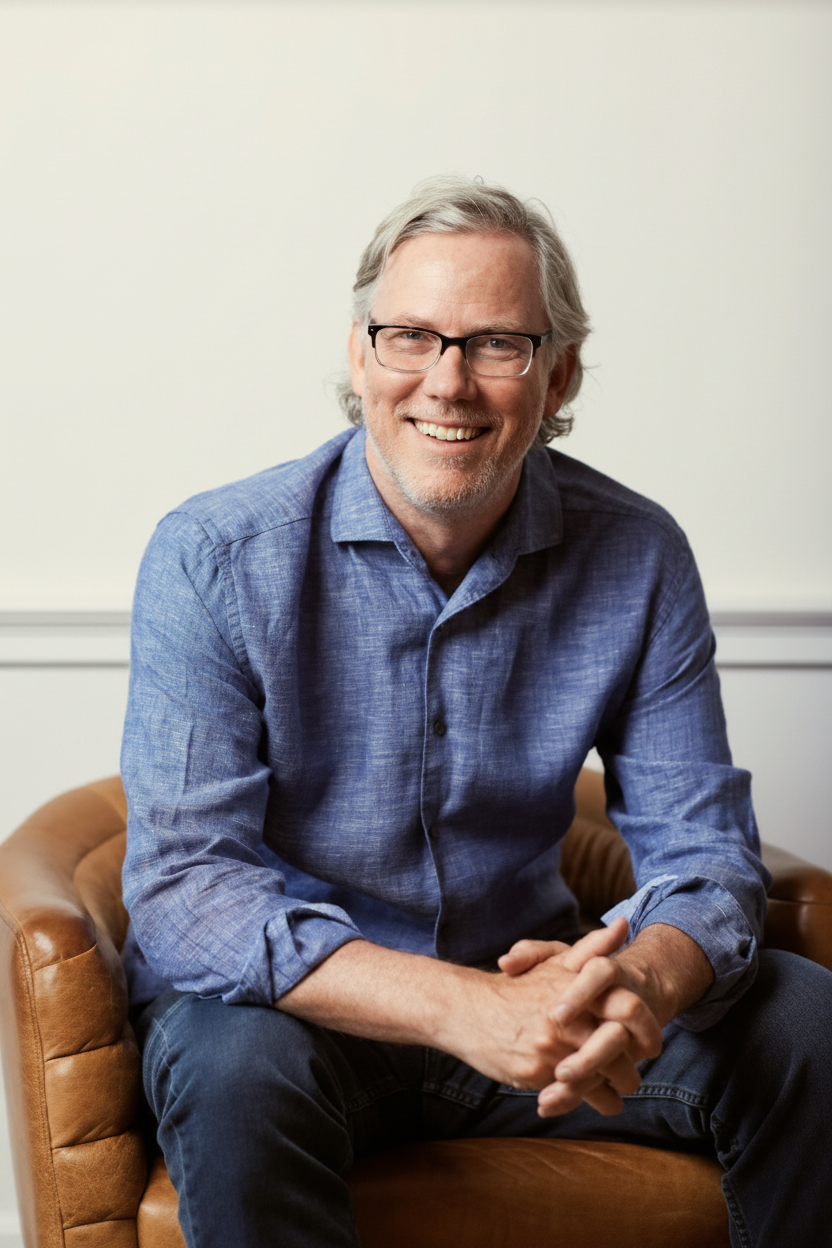
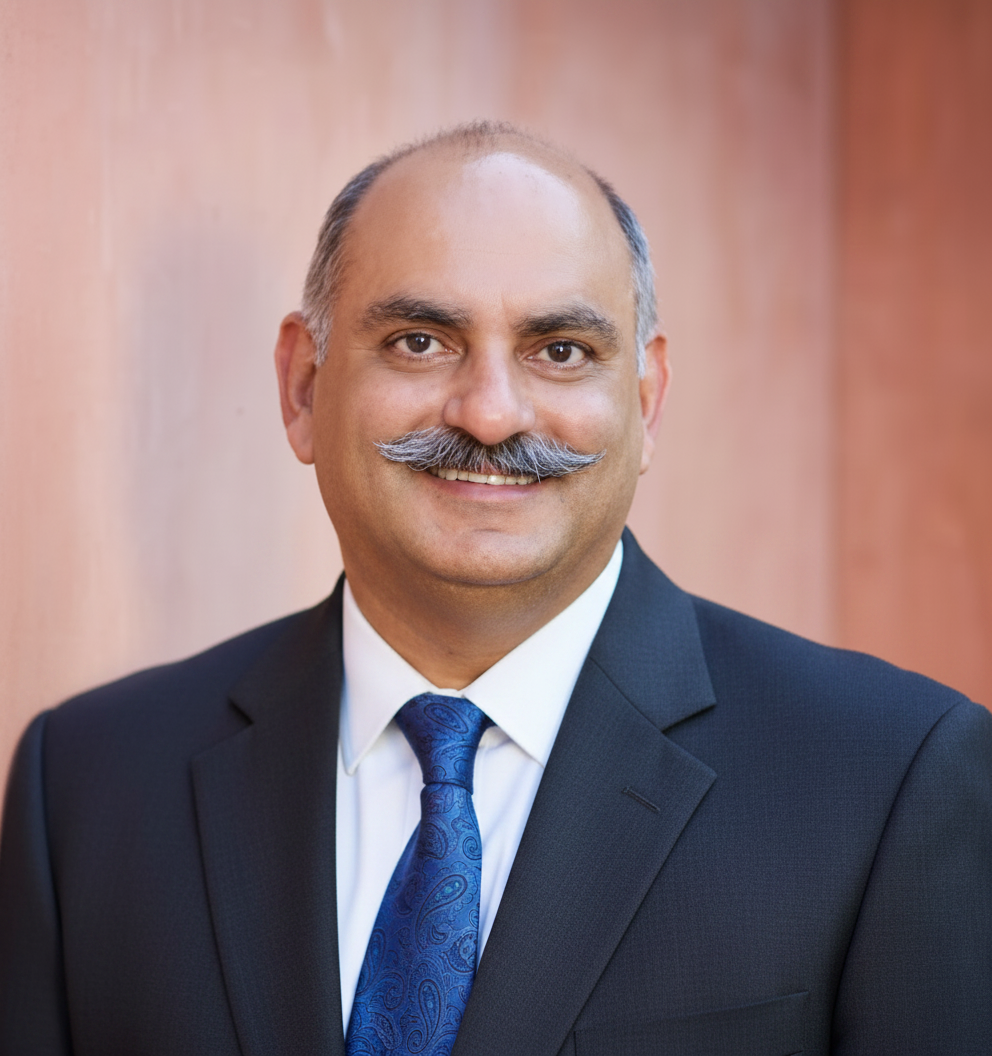
Alex Karp
Architect of operational AI and data integration, transforming government and enterprise with Palantir's platforms.
Alex Karp is the co-founder and CEO of Palantir Technologies, a data integration and analytics company renowned for its work with government agencies and large enterprises. Under his leadership, Palantir has developed sophisticated platforms like Gotham and Foundry, leveraging artificial intelligence and machine learning to solve complex data challenges. Karp's distinctive leadership style and philosophical approach to technology's role in society have shaped Palantir's trajectory from a secretive intelligence contractor to a publicly traded software powerhouse.
Biography
Accomplishments
- 01Co-founded Palantir Technologies in 2003, building it into a leading enterprise software company specializing in data integration and AI.
- 02Led Palantir's development and deployment of Palantir Gotham and Palantir Foundry platforms, critical for intelligence, defense, and commercial operations worldwide.
- 03Successfully navigated Palantir through its direct listing on the New York Stock Exchange (NYSE: PLTR) in September 2020.
- 04Secured and maintained multi-billion dollar contracts with key government agencies (e.g., U.S. Department of Defense, ICE, NHS) and major commercial clients.
- 05Pioneered the concept of 'operational AI,' focusing on deploying AI models directly into workflows to drive tangible business outcomes, rather than just analytical insights.
- 06Guided Palantir to profitability for the first time in its history in 2023, demonstrating a pathway to sustainable growth.
- 07Established Palantir as a critical technology partner for Western governments and militaries, addressing complex national security challenges.
- 08Championed a unique corporate culture that prioritizes long-term mission and ethical technology deployment, often foregoing short-term financial pressures.
Lessons for Operators
Key Takeaways
Practical lessons distilled for operators, investors, C-levels, and capital allocators.
The Power of Operational AI
Karp highlights that true AI value lies in its direct integration into operations, not just analytical insights. Companies should focus on 'end-to-end' AI platforms that drive real-world actions and measurable outcomes within complex workflows. This means moving beyond theoretical models to practical deployment and continuous iteration.
Strategic Importance of Data Integration
Palantir's success stems from its ability to fuse disparate, messy data sources. For any organization, mastering data integration is foundational to unlocking AI's potential, enabling a 'single pane of glass' view for decision-makers and overcoming data silos that hinder operational efficiency.
Navigating the Geopolitical AI Race
Karp frequently underscores the 'zero-sum' nature of the global AI race, emphasizing the imperative for Western nations and companies to rapidly adopt advanced AI for defense and economic competitiveness. This implies that technological leadership is intertwined with national security and global influence, urging strategic investment in AI infrastructure.
Critique of Frontier AI Models in Enterprise
Karp observes that many businesses are 'unhappy' with current frontier AI (e.g., LLMs) due to integration complexities and a lack of operational readiness. This suggests a gap between cutting-edge research and practical enterprise deployment. Leaders should prioritize AI solutions that offer clear paths to operational integration and demonstrate tangible ROI.
Resilience Amidst Market Scrutiny
Karp’s consistent confrontation of short sellers and focus on long-term value demonstrates the importance of conviction in a company’s mission. For founders and CEOs, maintaining a clear narrative and focusing on fundamental value creation can be crucial in navigating volatile public market perceptions.
Ethical Framework for Technology Deployment
Palantir's engagement with sensitive government contracts, including ICE, reflects Karp's belief that technology can improve the efficacy and accountability of complex systems. This highlights the need for companies to articulate and adhere to a clear ethical framework, even when operating in controversial domains, to guide responsible innovation.
Unconventional Leadership as a Differentiator
Karp's philosophical background and unique communication style differentiate him from typical tech CEOs. This illustrates that authentic, even unconventional, leadership can be a powerful brand asset, attracting talent and investors who align with a company's distinct vision and values.
Profitability as a Strategic Imperative
Palantir achieving profitability in 2023 signals a shift in focus for even high-growth tech companies. Demonstrating a path to sustainable, profitable growth is increasingly vital for investor confidence and long-term viability, moving beyond a 'growth at all costs' mentality.
Frameworks & Principles
Named frameworks and strategic principles they popularized or embodied.
Palantir Gotham
A software platform designed for government agencies and intelligence communities to integrate, visualize, and analyze vast, disparate datasets for complex investigations and threat analysis. It empowers users to connect dots across diverse information sources, facilitating actionable insights for national security and public safety.
When to useFor government, defense, and intelligence organizations requiring advanced data integration, visualization, and analytical tools to counter terrorism, perform criminal investigations, or manage complex national security operations.
Palantir Foundry
An enterprise operating system that enables commercial organizations to integrate and manage data, build custom applications, and operationalize AI models. It creates a 'digital twin' of an organization, allowing for advanced analytics, scenario planning, and decision support across diverse business functions.
When to useFor large commercial enterprises (e.g., manufacturing, healthcare, energy, finance) seeking to transform operations by integrating siloed data, building AI-powered applications, and making data-driven decisions across their value chain.
Artificial Intelligence Platform (AIP)
An extension of Palantir's core platforms, AIP allows organizations to rapidly deploy and manage Large Language Models (LLMs) and other AI models directly into their operational workflows. It provides the infrastructure to connect AI models to real-world data and actions, ensuring AI outputs are contextually relevant and actionable.
When to useWhen an organization needs to move beyond theoretical AI models to operationalize them, integrating LLMs and other AI directly into business processes for tasks like supply chain optimization, predictive maintenance, or enhanced decision-making.
Apollo
Palantir's continuous delivery software for deploying and managing its platforms (Gotham, Foundry, AIP) across diverse environments, including public cloud, private cloud, and on-premises. It ensures consistent, secure, and resilient operations for mission-critical software deployments.
When to useFor organizations requiring secure, continuous, and robust deployment and management of Palantir's software across hybrid or multi-cloud environments, ensuring compliance and operational stability.
Recent Appearances
Latest interviews, keynotes, and press from the past half year.
 youtube.com
 youtube.com
 youtube.com
 youtube.com
 youtube.comyoutube.com
 youtube.com
 youtube.com
 youtube.com
 youtube.com
 youtube.com
 youtube.com
 youtube.com
 youtube.com
 youtube.com
 youtube.com
 youtube.com
 youtube.com
 youtube.com
 youtube.com
 youtube.com
 youtube.com
 youtube.com
 youtube.com
 youtube.com
 youtube.com
 youtube.com
 youtube.com
 youtube.com
 youtube.com
 youtube.com
 youtube.com
 youtube.com
 youtube.com
 youtube.com
 youtube.com
 youtube.com
 youtube.com
 youtube.com
 youtube.com
 youtube.com
 youtube.com
 youtube.com
 youtube.com
 youtube.com
 youtube.com
 youtube.com
 youtube.com
 youtube.com
 youtube.com
 youtube.com
 youtube.com
 youtube.com
 youtube.com
 youtube.com
 youtube.com
 youtube.com
 youtube.com
 youtube.com
 youtube.com
 youtube.com
 youtube.com
 youtube.com
 youtube.com
 youtube.com
 youtube.com
 youtube.com
 youtube.com
 youtube.com
 youtube.com
 youtube.com
 youtube.com
 youtube.com
 youtube.com
 youtube.com
 youtube.com
 youtube.com
 youtube.com
 youtube.com
 youtube.com
 youtube.com
 youtube.com
 youtube.com
 youtube.com
 youtube.com
 youtube.com
 youtube.com
 youtube.com
 youtube.com
 youtube.com
 youtube.com
 youtube.com
 youtube.com
 youtube.com
 youtube.com
 youtube.com
 youtube.com
 youtube.com
 youtube.com
 youtube.com
 youtube.com
 youtube.com
 youtube.com
 youtube.com
 youtube.com
 youtube.com
 youtube.com
 youtube.com
 youtube.com
 youtube.com
 youtube.com
 youtube.com
 youtube.com
 youtube.com
 youtube.com
 youtube.com
 youtube.com
 youtube.com
 youtube.com
 youtube.com
 youtube.com
 youtube.com
 youtube.com
 youtube.com
 youtube.com
 youtube.com
 youtube.com
 youtube.com
 youtube.com
 youtube.com
 youtube.com
 youtube.com
 youtube.com
 youtube.com
 youtube.com
 youtube.com
 youtube.com
 youtube.com
 youtube.com
 youtube.com
 youtube.com
 youtube.com
 youtube.com
 youtube.com
 youtube.com
 youtube.com
 youtube.com
 youtube.com
 youtube.com
 youtube.com
 youtube.com
 youtube.com
 youtube.com
 youtube.com
 youtube.com
 youtube.com
 youtube.com
 youtube.com
 youtube.com
 youtube.comyoutube.com
 youtube.com
 youtube.com
 youtube.com
 youtube.com
 youtube.com
 youtube.com
 youtube.com
 youtube.com
 youtube.com
 youtube.com
 youtube.com
 youtube.com
 youtube.comyoutu.be
 youtube.com
 youtube.com
 youtube.com
 youtube.com
 youtube.com
 youtube.com
 youtube.com
 youtube.com
 youtube.com
 youtube.com
 youtube.com
 youtube.com
Sources & Further Reading
Profiles, interviews, podcasts, and articles used to compile and verify this entry. Each link opens at the original publisher.
- interviewPalantir's Karp bashes OpenAI, Anthropic token modelcnbc.com→
- interviewPalantir's Karp says businesses are 'unhappy' with frontier ...cnbc.com→
- interviewPalantir CEO Alex Karp confronts short sellers amid stock ...cnbc.com→
- interviewAlex Karp: Anti-ICE protesters should want more Palantir in ...cnbc.com→
- podcastPalantir CEO Alex Karp on the Zero-Sum AI Racepodcasts.apple.com→
- podcastAlex Karp on AI, Job Loss, and the Future of Work - TBPNopen.spotify.com→
- podcastFULL INTERVIEW: Alex Karp on A… - TBPNpodcasts.apple.com→
- podcastInside the Tech Company Poweri… - The Dailypodcasts.apple.com→
- podcastAlex Karp, CEO of Palantir: Ex… - Sourcerypodcasts.apple.com→
- podcastAlex Karp LIVE at Palantir AIPCon | David Glazer, Ben ...open.spotify.com→
- podcastPalantir CEO Alex Karp: CEOs are Livid 7/1/26podcasts.apple.com→
- podcastDr. Alex Karp LIVE from AIPCon... - TBPNpodcasts.apple.com→
- podcastAlex Karp on the shelfinstagram.com→
- podcastPalantir CEO Alex Karp predicts he will get 20x richer from ...fortune.com→
- podcastFORTUNE on Instagram: ""I did make my first million dollars ...instagram.com→
- podcastPalantir CEO Alex Karp on being poor in Germany versus ...facebook.com→
- podcastJack Altman on why this might be the best investing vintage in ...instagram.com→
- podcastHad a great discussion with Chamath Palihapitiya and ...facebook.com→
- podcastPalantir CEO Alex Karp on the Zero-Sum AI Racea16z.com→
- podcastPalantir CEO Alex Karp on the Zero-Sum AI Raceopen.spotify.com→
- podcastWhy Nerds Are More Clippablea16z.com→
- podcastPalantir CEO Alex Karp Issues Explosive Warning To ...finance.yahoo.com→
- podcastIn this conversation from the a16z New Media Summit ...x.com→
- podcastOpenAI President Greg Brockman on The Knowledge Project ...instagram.com→
- podcastOpenAI President Greg Brockman on The Knowledge Project ...tiktok.com→
- podcastMore data centers. Bigger data centers. And now investors ...instagram.com→
- podcastZack Kass had an epic opening to the main stage this morning ...facebook.com→
- podcastBits & Pretzels on Instagram: "He slid into Sam Altman's DMs ...instagram.com→
- podcastNot many of the top founders share the title of Immigrant, but ...tiktok.com→
- podcastthe latest KNOP must-watch podcast which focuses on ...facebook.com→
- podcastMy conversation with Mario Harik, CEO of XPO logistics. From ...instagram.com→
- podcastReid Hoffman on Instagram: "New on Possible: Why you need ...instagram.com→
- podcastReid Hoffman, co-founder of LinkedIn, built one ...instagram.com→
- podcastPalantir alumni network founder archetypesfacebook.com→
- podcastEuropean University Cyprus | EUC on Instagram: "Join us for ...instagram.com→
- podcastAyush Jaiswal's Post - anthropic #claudelinkedin.com→
- podcastPioneers of AI on Instagram: "@mcuban sat down with ...instagram.com→
- podcastSmall business owners, cut through the AI noise. At Power ...instagram.com→
- podcastAlex Karp's Inspiring Origin Story and Influencestiktok.com→
- podcastAlex Karp believes leadership should be earned through real ...instagram.com→
- podcastInsights on Talent Discovery from Palantir Co-Founderstiktok.com→
- podcastFortune - 🔗: https://trib.al/221gTy5 Palantir CEO Alex Karp ...facebook.com→
- podcast🐶 Alex Karp shares a wild childhood memory about adopting ...tiktok.com→
- podcastAlex Karp believes one thing that makes America unique is its ...instagram.com→
- podcastConsejos de carrera de Alex Karp, CEO de Palantirtiktok.com→
- podcastDavid Senra | Be wary of experts. “At the limit, nobody knows ...instagram.com→
- podcastJoe & Tayler Lonsdale on Tech Investments, Life in Texas ...podcastnotes.org→
- podcastAnthropic revenue 2027 forecast: Could Anthropic add $200B ...tiktok.com→
- podcastThe world's largest technology companies are increasingly ...facebook.com→
- podcastGS a backdoor play to AI game amid semiconductor volatilityfacebook.com→
- podcast📛 Gavin Baker on why the Strait of Hormuz crisis might ...tiktok.com→
- podcast“There's nobody better on planet Earth than Elon at converting ...tiktok.com→
- podcastLooped Solutions founder Kara Wasser discusses how her ...facebook.com→
- podcastTriangle CEO: SPAC path to Nasdaq helps us own AIfacebook.com→
Explore Related Titans
Other figures in the archive who share Alex Karp's domain, geography, or era.
More in Technology




From United States

Contemporaries — born 1960s