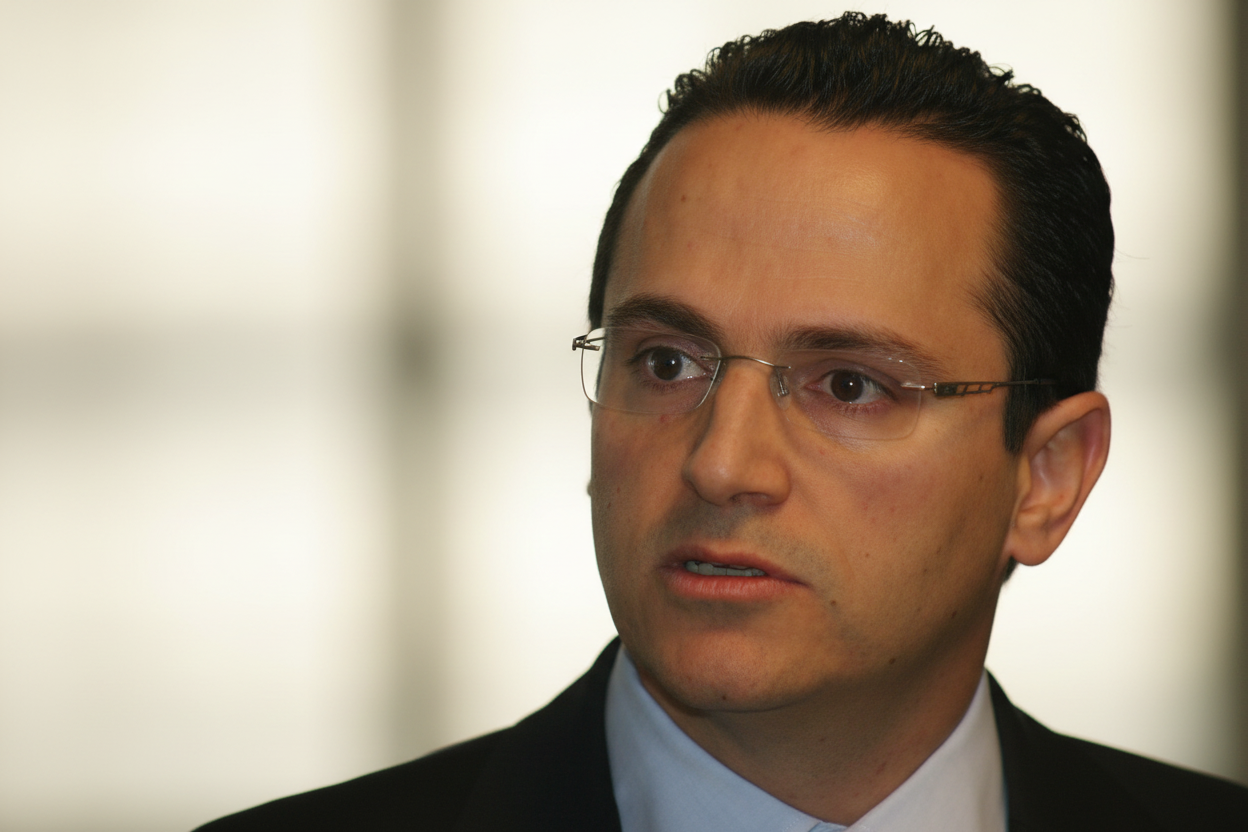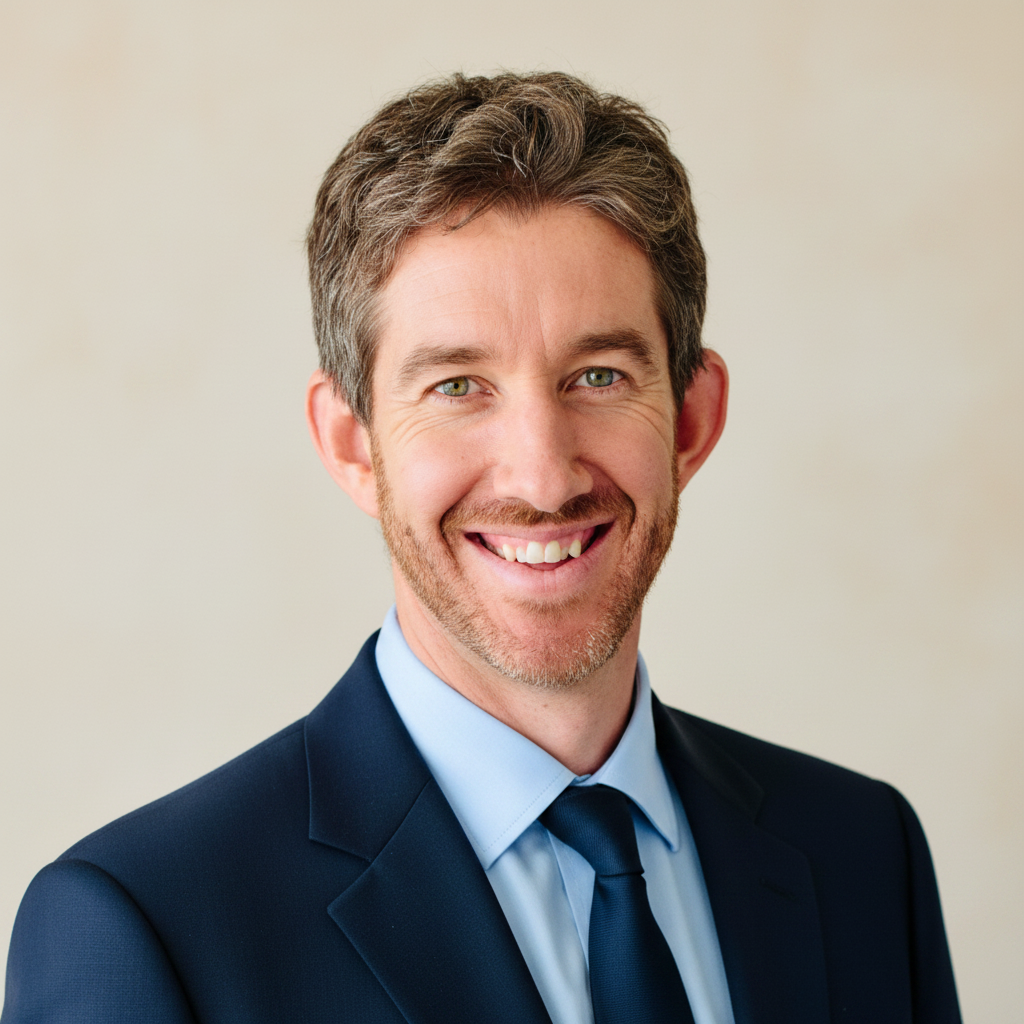
Scott Farquhar
Co-founder and Co-CEO of Atlassian, pioneering product-led growth and unconventional corporate culture in enterprise software.
Scott Farquhar is the co-founder and co-CEO of Atlassian, alongside Mike Cannon-Brookes. He co-established the company in 2002, building it into a multi-billion dollar enterprise software leader through a distinctive product-led growth strategy, minimal sales force, and remote-first philosophy. Farquhar oversees product, R&D, and corporate strategy, fostering an environment of innovation and high performance.
Biography
Accomplishments
- 01Co-founded Atlassian in 2002, growing it from a bootstrapped startup to a multi-billion dollar public company (NASDAQ: TEAM) with a market capitalization exceeding 50 billion USD.
- 02Pioneered the product-led growth (PLG) model in enterprise software, demonstrating that high-value software can be sold at scale with minimal direct sales effort.
- 03Successfully maintained a co-CEO leadership structure with Mike Cannon-Brookes for over two decades, providing a case study in effective distributed executive leadership.
- 04Led Atlassian's transition to a 'Team Anywhere' company, formalizing a remote-first work model and influencing broader industry trends in flexible work arrangements.
- 05Orchestrated significant product acquisitions, including Trello (2017 for 425 million USD), which expanded Atlassian's market reach and collaboration capabilities.
- 06Championed Atlassian's 1% Foundation model, donating 1% of equity, profit, product, and employee time to charitable causes, influencing corporate philanthropy.
Lessons for Operators
Key Takeaways
Practical lessons distilled for operators, investors, C-levels, and capital allocators.
Embrace Product-Led Growth (PLG)
Prioritize building an exceptional product that sells itself through intuitive user experience, self-service onboarding, and clear value proposition. This reduces reliance on high-cost sales teams and empowers organic customer acquisition, particularly in the B2B SaaS space. Atlassian's success with Jira and Confluence exemplifies this.
Define Distinct Co-CEO Roles
If adopting a co-CEO model, establish clear and complementary domains of responsibility. Farquhar's focus on product and R&D, while Cannon-Brookes handled sales and marketing, minimized overlap and maximized leadership bandwidth, proving effective for scaling complex organizations.
Cultivate a Deliberate Culture
Treat company culture as a strategic differentiator. Atlassian's values are actionable principles that guide decision-making and attract aligned talent. Companies should codify and live their values to foster innovation, transparency, and employee engagement.
Optimize for Distributed Work
Proactively design operational frameworks, communication tools, and cultural norms that support a remote-first or hybrid workforce. Atlassian's 'Team Anywhere' strategy demonstrates that this can unlock a wider talent pool, reduce overheads, and increase employee flexibility and satisfaction, especially post-pandemic.
Strategic M&A for Ecosystem Expansion
Execute acquisitions that integrate seamlessly into the existing product ecosystem and expand market reach. The acquisition of Trello, for instance, significantly broadened Atlassian's appeal to less technical teams and diversified its collaboration offerings, enhancing its platform strategy.
Patience in Value Creation
Bootstrap or seek capital strategically, prioritizing sustainable growth and profitability over rapid, dilutive funding. Atlassian's decision to remain private for over a decade allowed it to mature its products and business model before facing public market scrutiny, leading to a robust IPO.
Frameworks & Principles
Named frameworks and strategic principles they popularized or embodied.
Product-Led Growth (PLG)
A business strategy where user acquisition, expansion, conversion, and retention are all driven primarily by the product itself. The product is the main vehicle for sales and marketing, with emphasis on user experience, virality, and self-service. Atlassian built its foundational success on this model.
When to useApplicable for SaaS and software companies where the product can deliver immediate value, offering a self-serve model, low friction onboarding, and demonstrable benefits without extensive sales intervention. Ideal for highly scalable, recurring revenue models.
Team Anywhere (Distributed Work Model)
Atlassian's formalized approach to remote and flexible work, allowing employees to choose where they work most effectively, whether from home, an office, or other locations. It involves designing company processes, tools, and culture for a globally distributed workforce.
When to useSuitable for companies looking to expand their talent pool beyond geographical limitations, enhance employee flexibility, and build resilience against disruptions. Requires robust communication tools, strong cultural alignment, and deliberate management strategies for remote engagement.
The Atlassian Playbook
A collection of pragmatic guides and frameworks developed by Atlassian for various aspects of team collaboration, project management, and software development (e.g., 'Team Health Monitor,' 'Post-Mortem Meeting'). These are shared publicly to help other organizations improve their internal processes.
When to useApplicable for any team or organization seeking to improve operational efficiency, foster better collaboration, or implement structured problem-solving. Provides practical, battle-tested methods and templates derived from Atlassian's own operational successes.
Sources & Further Reading
Profiles, interviews, podcasts, and articles used to compile and verify this entry. Each link opens at the original publisher.
Explore Related Titans
Other figures in the archive who share Scott Farquhar's domain, geography, or era.
More in Technology





From Australia


Contemporaries — born 1970s