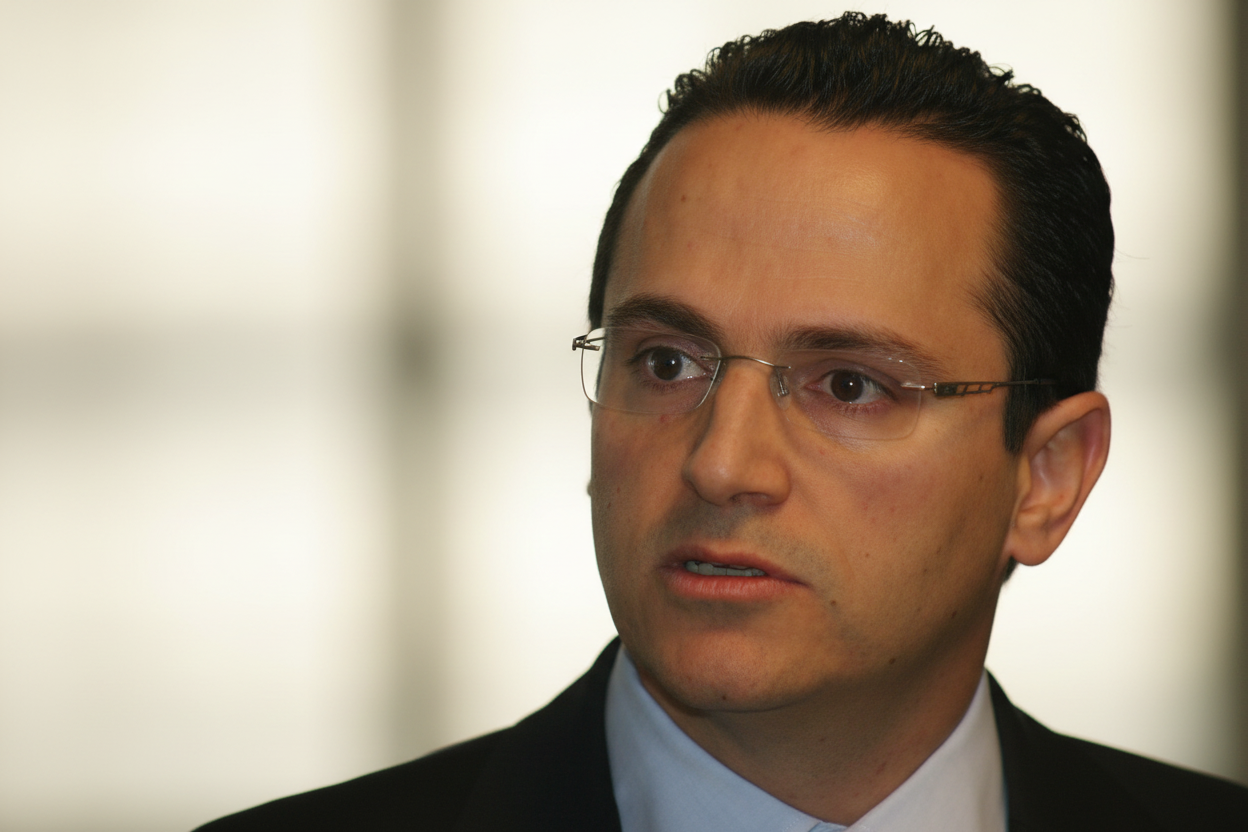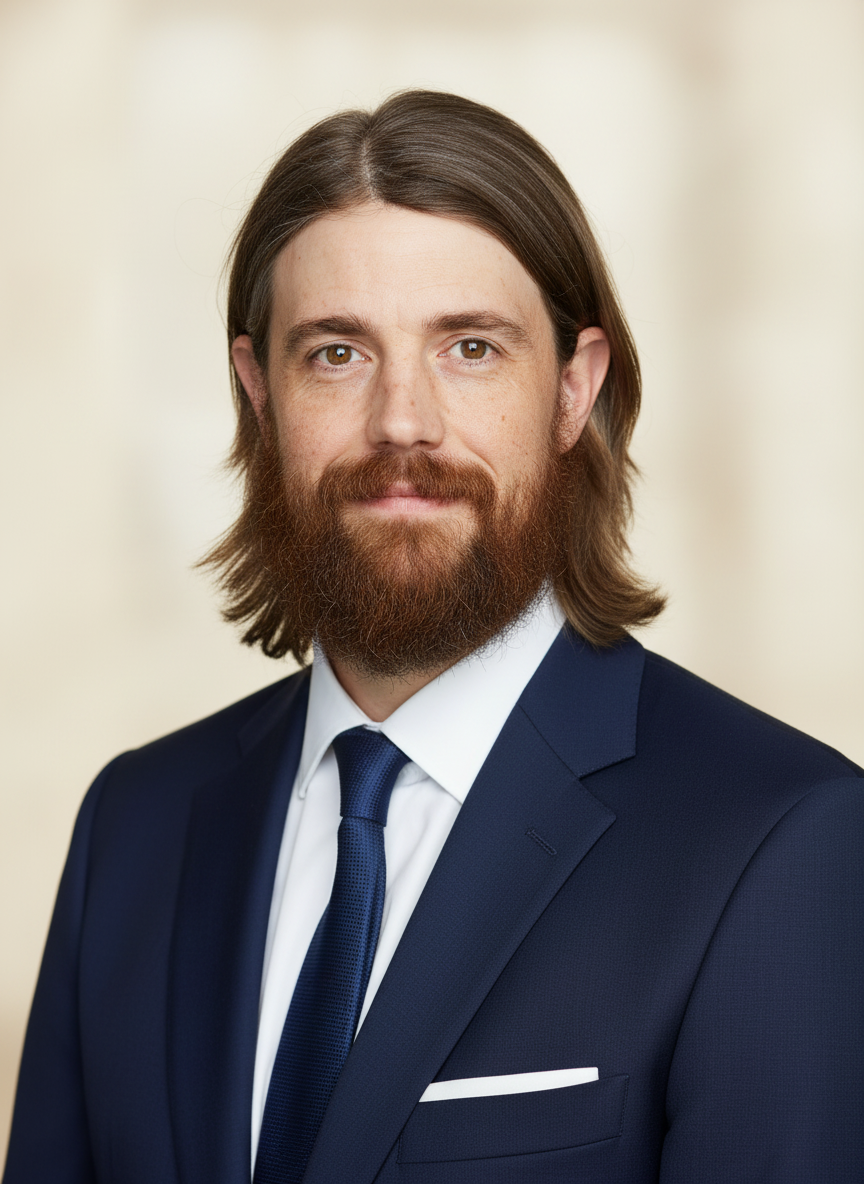
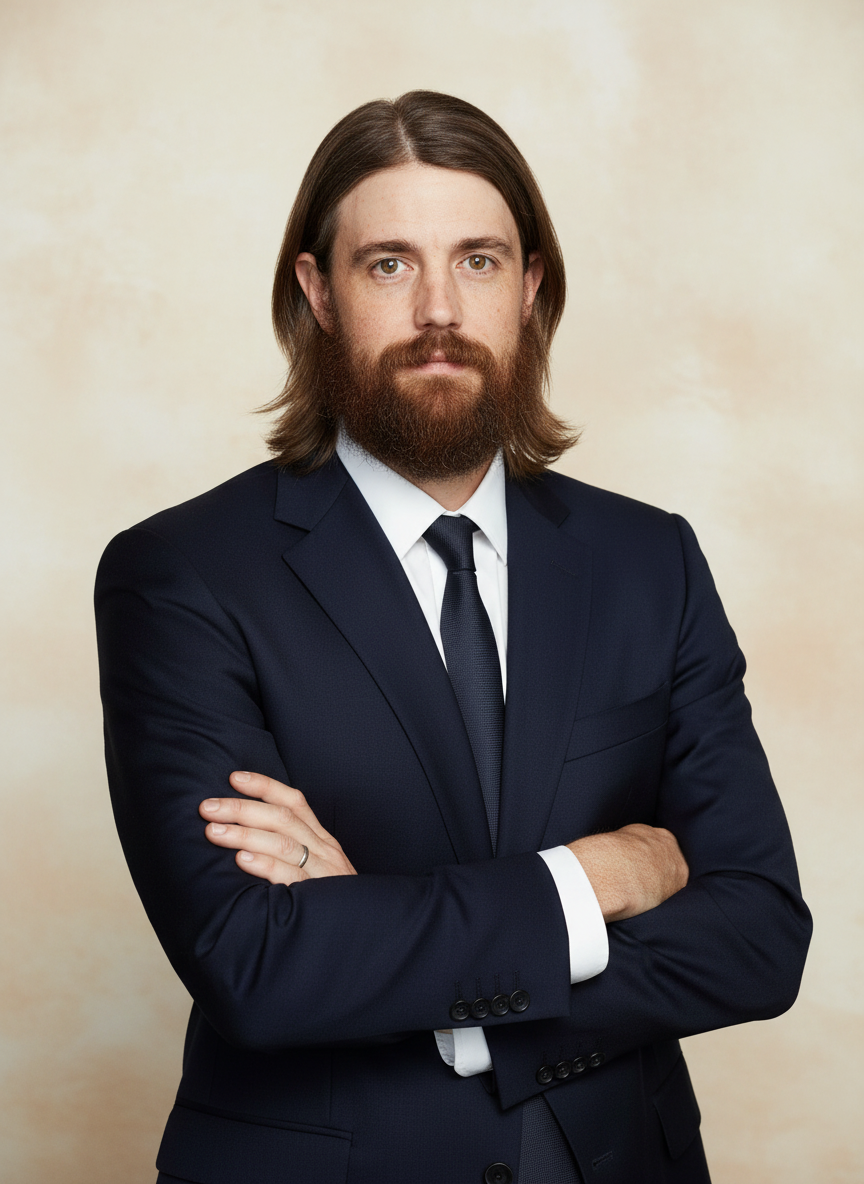
Michael Cannon-Brookes
Co-founder and co-CEO of Atlassian, a dominant enterprise software provider known for products like Jira and Confluence.
Michael Cannon-Brookes is the co-founder and co-CEO of Atlassian, an enterprise software company established in 2002. Under his leadership, Atlassian scaled from a bootstrapped startup to a publicly traded company (NASDAQ: TEAM) with a market capitalization exceeding $50 billion, providing project management and collaboration tools globally. He is also a significant investor in startups and a prominent advocate for renewable energy in Australia.
Biography
Accomplishments
- 01Co-founded Atlassian in 2002, building it into a global enterprise software leader now a public company (NASDAQ: TEAM) with annual revenues exceeding $3.6 billion (FY23).
- 02Successfully bootstrapped Atlassian for over seven years, avoiding external funding until a $60 million Series A investment from Accel Partners in 2010, demonstrating robust organic growth.
- 03Led Atlassian's IPO on NASDAQ in December 2015, which valued the company at $4.3 billion, and has seen its market capitalization grow multifold since.
- 04Developed a highly successful 'low-touch' sales model based on product-led growth and viral adoption for Atlassian's software, minimizing traditional sales expenses.
- 05Formed Grok Ventures, his private investment vehicle, which has made significant investments in climate tech, FinTech, and enterprise software startups, and notably acquired a ~11.3% stake in AGL Energy (2022) to influence its transition to renewable energy.
Lessons for Operators
Key Takeaways
Practical lessons distilled for operators, investors, C-levels, and capital allocators.
Build a Product People Love
Atlassian's initial growth was fundamentally driven by the inherent quality and utility of its software, leading to organic adoption before heavy marketing. Prioritize product excellence and user experience above all.
Strategic Capital Allocation
Cannon-Brookes demonstrated that deferring venture capital can be a strategic choice, preserving equity and control. When raising, choose partners who align with a long-term vision, as Accel did for Atlassian.
Unconventional Leadership Structures Can Work
The sustained co-CEO model at Atlassian, with clear division of responsibilities, illustrates that dynamic partnerships can be highly effective for navigating complex growth challenges.
Impact Through Investment
Beyond core business, leverage personal capital and influence to drive impactful change, particularly in areas like climate tech, demonstrating a commitment to broader societal value creation.
Ecosystem, Not Just Features
Atlassian's product strategy is not just about individual tools but creating an interconnected ecosystem for team collaboration and software development. Focus on how products integrate and extend value.
Frameworks & Principles
Named frameworks and strategic principles they popularized or embodied.
Product-Led Growth (PLG) Model
A business strategy where product usage drives customer acquisition, retention, and expansion. Customers discover, try, and adopt a product largely on their own, often through freemium or free trial offerings.
When to useApplicable for SaaS companies aiming to reduce customer acquisition costs, increase scalability, and leverage product virality. Requires a highly intuitive product, excellent self-service capabilities, and robust in-product onboarding.
Bootstrapping for Sustainable Growth
Funding a company's early operations and growth entirely through internal cash flow and personal resources, without external investment.
When to useIdeal for entrepreneurs who want to maintain maximum control, avoid dilution, and build a profitable business from day one. Best suited for businesses with strong margins, predictable revenue, and less immediate capital intensity.
Co-CEO Leadership Model
A shared leadership structure where two individuals jointly hold the chief executive officer position, typically dividing strategic and operational responsibilities.
When to useEffective for companies with complex operations, requiring diverse executive skill sets, or where two founders share a strong, complementary vision. Requires clear delineation of duties, strong communication, and mutual trust to prevent conflicts.
Sources & Further Reading
Profiles, interviews, podcasts, and articles used to compile and verify this entry. Each link opens at the original publisher.
Explore Related Titans
Other figures in the archive who share Michael Cannon-Brookes's domain, geography, or era.
More in Technology


From Australia


Contemporaries — born 1970s