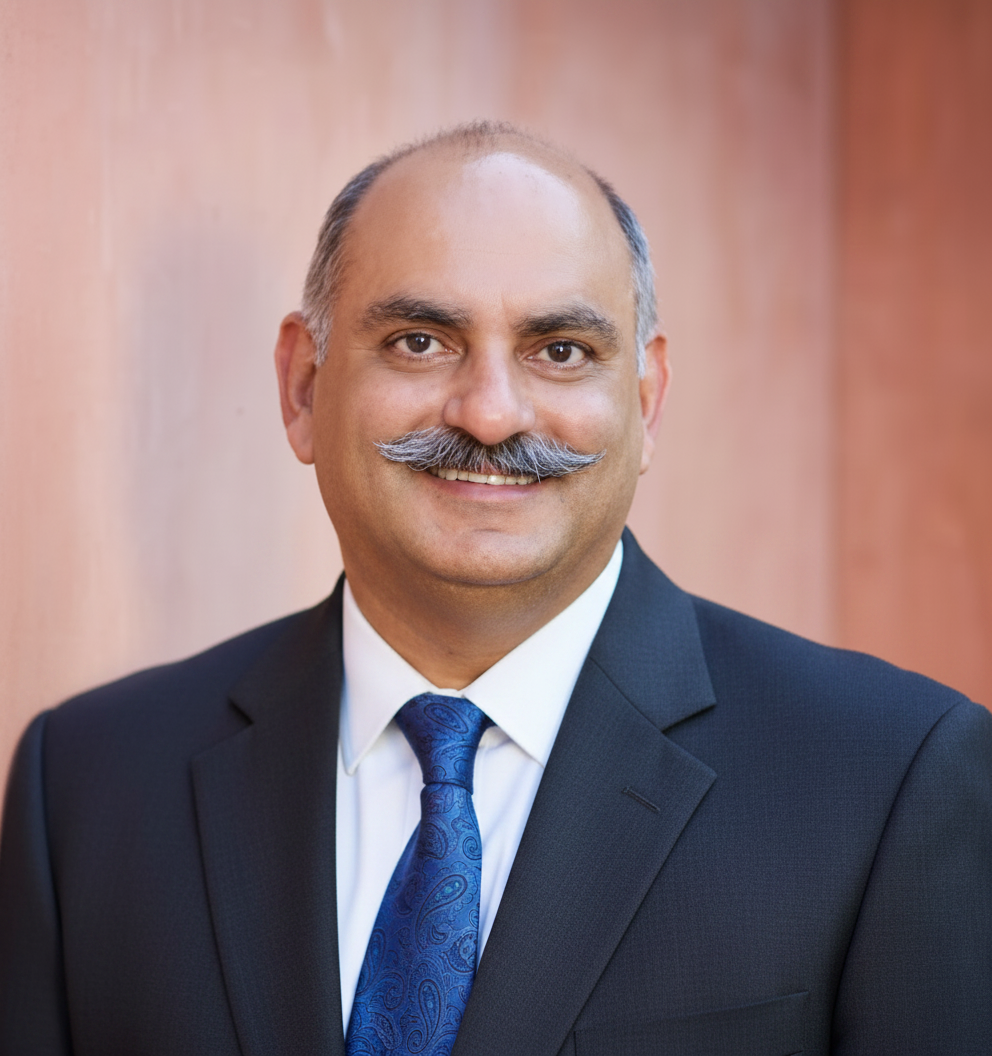
Reshma Kewalramani
Physician-scientist leading Vertex Pharmaceuticals, driving innovation in genetic diseases and expanding therapeutic reach.
Reshma Kewalramani is the President and CEO of Vertex Pharmaceuticals, a global biotechnology company focused on developing transformative medicines for serious diseases. A physician-scientist, she has been instrumental in expanding Vertex's pipeline beyond cystic fibrosis, spearheading strategic acquisitions and R&D diversification. Her leadership emphasizes scientific rigor, patient-centricity, and global expansion.
Biography
Accomplishments
- 01Led Vertex to the FDA approval of TRIKAFTA (elexacaftor/tezacaftor/ivacaftor and ivacaftor) in October 2019 (as CMO) and facilitated its global rollout, significantly expanding the treatable CF patient population.
- 02Spearheaded the successful clinical development and subsequent FDA approval of exagamglogene autotemcel (exa-cel) for sickle cell disease and beta thalassemia in partnership with CRISPR Therapeutics (approved December 2023), marking Vertex's entry into gene-editing therapies.
- 03Diversified Vertex's R&D pipeline beyond cystic fibrosis into other genetic diseases, including non-opioid pain, alpha-1 antitrypsin deficiency, and APOL1-mediated kidney disease, through internal discovery and strategic acquisitions/partnerships.
- 04Achieved significant revenue growth and sustained profitability for Vertex, guiding the company through a period of substantial market expansion and competitive pressures, maintaining its strong position in the rare disease space.
- 05Championed a patient-centric drug development approach, emphasizing rapid clinical trials and equitable access to Vertex's transformative medicines globally.
Lessons for Operators
Key Takeaways
Practical lessons distilled for operators, investors, C-levels, and capital allocators.
Portfolio De-risking through Diversification
Kewalramani's strategy to expand Vertex's pipeline beyond CF into areas like gene editing and other genetic diseases (e.g., AATD, APOL1, Pain) illustrates effective portfolio de-risking. It leverages a strong balance sheet to acquire or develop multiple 'shots on goal,' reducing reliance on a single asset or therapeutic area for future growth. Operators should evaluate where their core capabilities can be extended to new, high-value opportunities.
The Power of Curative Therapies
Vertex's pursuit of exa-cel and other gene-editing technologies highlights a shift towards curative therapies for chronic diseases. These therapies command significant pricing power and market share due to their transformative patient benefit. Investors should seek companies focused on developing true disease-modifying or curative treatments, which often create new standards of care and generate substantial, long-term value.
Integration of Clinical & Business Acumen
Kewalramani's background as a physician-scientist provides a unique perspective that integrates deep biological understanding with strategic business decisions. This allows for superior scientific vetting of projects and a patient-centric, yet commercially viable, development pathway. C-levels should cultivate leadership teams with multidisciplinary expertise to foster holistic decision-making, particularly in highly technical sectors.
Disciplined R&D Investment
Under Kewalramani, Vertex has maintained a high level of R&D investment, but with a disciplined focus on programs with strong scientific rationale and clear pathways to market for significant unmet needs. This selective investment strategy maximizes the return on R&D dollars. Capital allocators should scrutinize the efficiency and strategic alignment of R&D spend, not just the absolute investment amount.
Global Market Penetration
Vertex's global rollout of its CF therapies and its efforts to expand access demonstrate the importance of international market penetration for maximizing drug value. Early consideration of regulatory pathways, pricing, and access strategies across key global markets is critical for biotechnology companies. Enterprise leaders should plan for global commercialization from early development stages.
Frameworks & Principles
Named frameworks and strategic principles they popularized or embodied.
Platform Expansion Strategy
Leveraging a successful core technology or therapeutic area (e.g., Vertex's CFTR modulation) to build adjacent platforms or diversify into new disease areas with similar underlying biology or technical requirements (e.g., gene editing for other genetic disorders).
When to useWhen a company has achieved significant success and market leadership in a specific area and possesses proprietary technologies or expertise that can be broadly applied to solve other high-value problems while mitigating concentration risk.
Build vs. Buy/Partner Decision Matrix
A strategic framework used to evaluate whether to develop new capabilities or assets internally ('build'), acquire them through M&A ('buy'), or collaborate with external entities ('partner'). Exemplified by Vertex's partnership with CRISPR for exa-cel vs. internal discovery in other areas.
When to useWhen confronting a strategic gap in the pipeline, seeking to enter a new technology space, or requiring specialized expertise/resources. This framework helps optimize resource allocation and time-to-market.
Patient-Centric Drug Development (PCDD)
A holistic approach to drug development that prioritizes the patient perspective at every stage, from target identification to clinical trials and commercialization. This informs development pathways, clinical trial endpoints, and patient access strategies, leading to therapies with higher utility and adoption.
When to useApplicable across all pharmaceutical and biotechnology companies, particularly for rare or chronic diseases with high unmet needs, to ensure developed therapies genuinely improve patient outcomes and address real-world challenges.
Sources & Further Reading
Profiles, interviews, podcasts, and articles used to compile and verify this entry. Each link opens at the original publisher.
Explore Related Titans
Other figures in the archive who share Reshma Kewalramani's domain, geography, or era.
More in Technology









From United States