Lana Lee
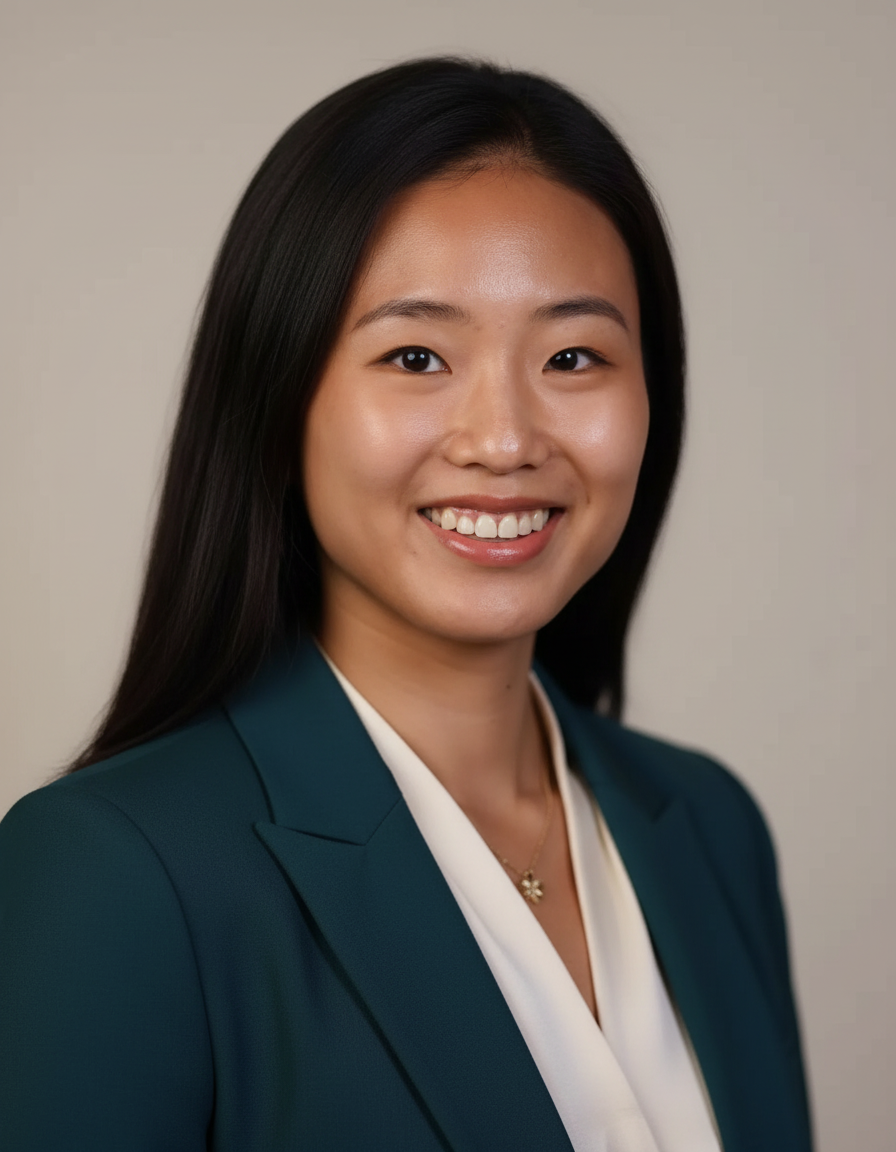
Co-founder and CEO of Vercel, a leading platform for frontend developers, driving the evolution of web development with Next.js and serverless architecture.
Lana Lee, as the CEO of Vercel, has been instrumental in modernizing web development. Under her leadership, Vercel has pioneered the concept of the 'Frontend Cloud' and championed frameworks like Next.js, making serverless development accessible and efficient for global enterprises and individual developers alike.
Biography
Accomplishments
- 01Co-founded Vercel (formerly ZEIT) in 2016, leading its transformation into a multi-billion dollar enterprise.
- 02Spearheaded the development and popularization of Next.js, an open-source React framework, now a cornerstone of modern web development.
- 03Secured over $300 million in funding for Vercel through multiple rounds, attracting top-tier venture capital firms.
- 04Established Vercel's 'Frontend Cloud' as a definitive category in internet infrastructure, integrating development, preview, and deployment into a seamless workflow.
- 05Successfully scaled Vercel's user base to include major enterprises and hundreds of thousands of developers globally.
- 06Cultivated a strong open-source community around Vercel's technologies, fostering widespread adoption and contributions.
Lessons for Operators
Key Takeaways
Practical lessons distilled for operators, investors, C-levels, and capital allocators.
The Power of Developer-First Products
Vercel's trajectory underscores that immense value can be created by deeply understanding and addressing the needs of a technical audience. Investing in user experience for developers translates directly into adoption and competitive advantage.
Strategic Open Source as a Business Lever
Sponsoring and actively contributing to open-source projects like Next.js can be a powerful engine for commercial success. It builds community, establishes influence, and creates a natural funnel for platform services without direct marketing spend.
Defining a New Market Category
Rather than competing directly in established crowded markets (e.g., general cloud hosting), Vercel created and dominated the 'Frontend Cloud' category. This strategic positioning allowed for stronger differentiation and perceived leadership.
The Evolution of Cloud Infrastructure
Lee's vision demonstrates that the future of cloud isn't just about raw compute, but about specialized, opinionated platforms that abstract away complexity for specific workloads, such as frontend development and serverless functions.
Ecosystem Integration is Key
Vercel's strength lies in its seamless integrations with Git providers, Serverless Functions, and various data backends. Building an inclusive ecosystem rather than a walled garden encourages broader adoption and utility.
Frameworks & Principles
Named frameworks and strategic principles they popularized or embodied.
The Frontend Cloud Model
A paradigm where the entire frontend development, preview, and deployment workflow is consolidated onto a single, integrated platform, leveraging serverless functions and global edge networks.
When to useApplicable for modern web projects (especially those using React, Vue, Svelte, etc.) seeking rapid iteration, high performance, and simplified deployment without managing underlying infrastructure.
Developer-Led Growth (DLG)
A business strategy where product adoption is driven primarily by individual developers and engineering teams, who then advocate for the product within their organizations, leading to bottom-up enterprise sales.
When to useIdeal for software companies building tools, APIs, or infrastructure targeting technical users where direct sales cycles are long, and product utility can be demonstrated firsthand by early adopters.
Open-Source Enabled Commercialization
A model where a company maintains and significantly contributes to an open-source project, while monetizing complementary proprietary services, tools, or enterprise-grade features built around that project.
When to useEffective for companies that can build a strong community around an open-source core, leveraging it for distribution, innovation, and trust, while reserving advanced features or managed services for commercial offerings.
Recent Appearances
Latest interviews, keynotes, and press from the past half year.
 youtube.com
 youtube.com
 youtube.com
Sources & Further Reading
Profiles, interviews, podcasts, and articles used to compile and verify this entry. Each link opens at the original publisher.
- podcastLana Lee - Baptism - YouTubeyoutube.com→
- podcastBig Will Meets The Lovely Lana Lee at AVN 2026 - YouTubeyoutube.com→
- podcastLana lee-Ann #daiand - YouTubeyoutube.com→
- podcastFelicity Crocker - Baptism - YouTubeyoutube.com→
- podcastYouTube Musicmusic.youtube.com→
- podcastWhat you need to be a better person is not MONEY, but ... - Facebookfacebook.com→
- podcastTwo Girls Working at Asian Restaurant Comidy Show | TikToktiktok.com→
- podcastthe day a baby girl named Kai Madison Trump took her first breath ...facebook.com→
- podcastLuana Lara Lopes Kalshi - TikToktiktok.com→
- podcastMarlene Lee Summers' Post - LinkedInlinkedin.com→
Explore Related Titans
Other figures in the archive who share Lana Lee's domain, geography, or era.
More in Technology






From United States