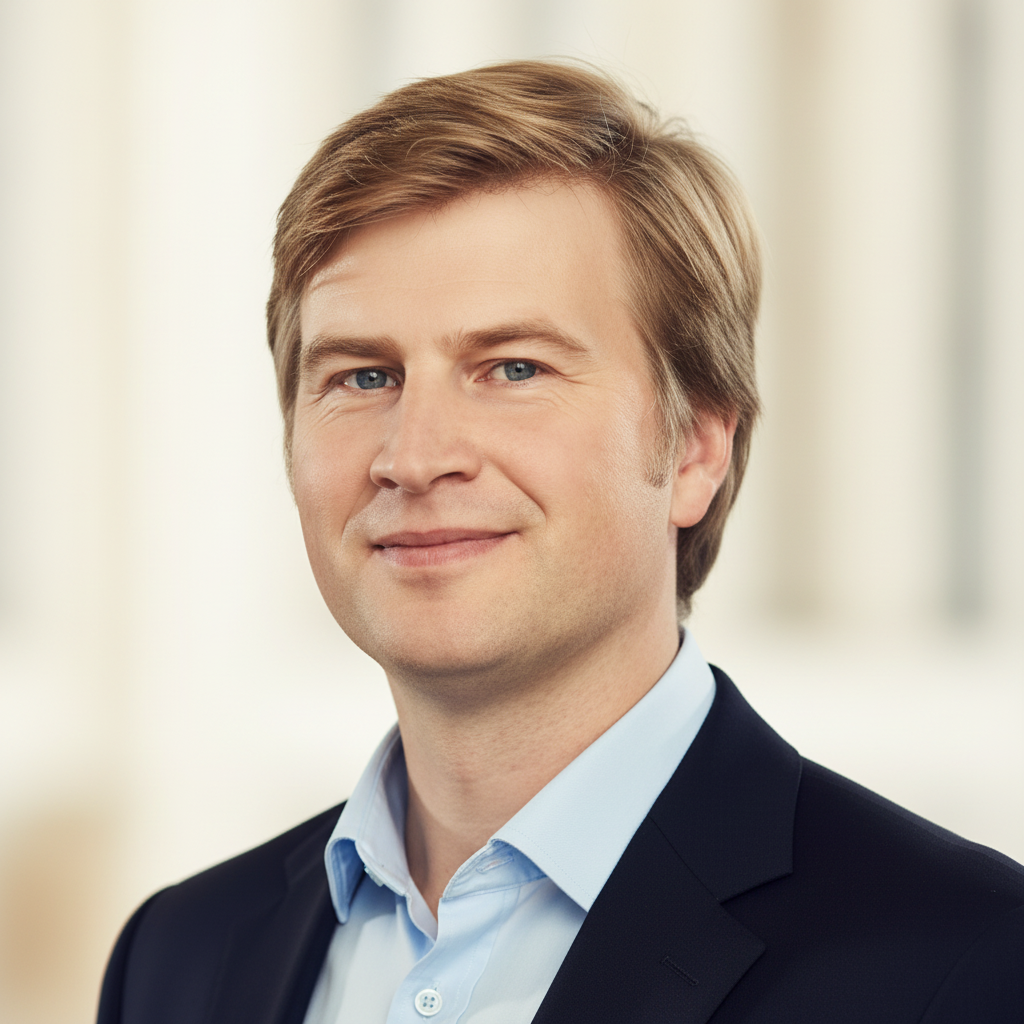
Kristo Käärmann
Co-founder of Wise (formerly TransferWise), revolutionizing international money transfers with transparent, low-cost services.
Kristo Käärmann is an Estonian entrepreneur best known as the co-founder and former CEO of Wise (formerly TransferWise), a global technology company specializing in international money transfers. Under his leadership, Wise grew from a startup challenging traditional banking fees to a publicly traded company on the London Stock Exchange, fundamentally altering the landscape of cross-border payments.
Biography
Accomplishments
- 01Co-founded Wise (formerly TransferWise) in 2011, disrupting the traditional international remittance market.
- 02Led Wise through a direct listing on the London Stock Exchange in July 2021, achieving an initial valuation of approximately £8 billion.
- 03Engineered and scaled a global FinTech platform that processes over £10 billion in cross-border payments monthly.
- 04Secured over $1 billion in venture capital funding from leading investors, including Andreessen Horowitz, Valar Ventures, and PayPal founder Max Levchin.
- 05Expanded Wise's services to support over 170 countries and more than 50 currencies, serving millions of customers worldwide.
- 06Pioneered a transparent fee structure and real mid-market exchange rates, saving customers billions in hidden costs.
Lessons for Operators
Key Takeaways
Practical lessons distilled for operators, investors, C-levels, and capital allocators.
Problem-First Innovation
Käärmann exemplifies how firsthand experience with a significant pain point can be the genesis of a multi-billion dollar enterprise. Operators should actively seek out inefficiencies and dissatisfactions in their daily lives or industries.
Transparency as a Competitive Advantage
In industries often opaque (like finance), providing clear, upfront information about pricing and processes can build unparalleled trust and customer loyalty, creating a strong moat against competitors.
Technological Disruption over Incrementalism
Wise didn't just improve existing money transfer methods; it reimagined the entire process. This lesson suggests looking for opportunities to fundamentally re-architect systems using modern technology, not just optimize them.
Navigating Complex Regulatory Environments
Entering the highly regulated financial sector required significant effort in obtaining licenses and ensuring compliance across multiple jurisdictions. Enterprise leaders must consider regulatory strategy as a core component of market entry and expansion.
Direct Listing as an Exit Strategy
Wise's choice of a direct listing over a traditional IPO indicates a maturity in capitalization and brand recognition that allowed for a less dilutive public market entry, offering a model for well-funded, established private companies.
Founders' Evolving Roles
Käärmann's transition from CEO to Non-Executive Director illustrates the natural evolution of founder roles. Successful founders understand when to lead the operating business and when to shift to strategic oversight to ensure long-term company health.
Frameworks & Principles
Named frameworks and strategic principles they popularized or embodied.
Lean Startup Methodology
Wise's early development focused on rapidly iterating on its product (MVP), testing assumptions, and adapting based on user feedback to solve the core problem of expensive money transfers.
When to useApplicable for early-stage startups and new product development within larger organizations to validate market fit, conserve resources, and pivot quickly.
Two-Sided Market (Platform Model)
Initially, TransferWise's peer-to-peer model matched users sending money in opposite directions, creating a network effect by directly connecting supply and demand for currency exchanges.
When to useRelevant for businesses aiming to connect distinct groups of users (e.g., buyers/sellers, service providers/consumers) to facilitate transactions and derive value from network effects.
Radical Transparency Pricing
Wise's commitment to using the mid-market exchange rate and clearly displaying all fees was a deliberate strategy to differentiate from competitors who often used hidden markups.
When to useEffective in industries where hidden costs or opaque pricing practices are common. Can build significant customer trust and acquisition if genuinely applied.
Sources & Further Reading
Profiles, interviews, podcasts, and articles used to compile and verify this entry. Each link opens at the original publisher.
Explore Related Titans
Other figures in the archive who share Kristo Käärmann's domain, geography, or era.
More in Technology






Contemporaries — born 1980s