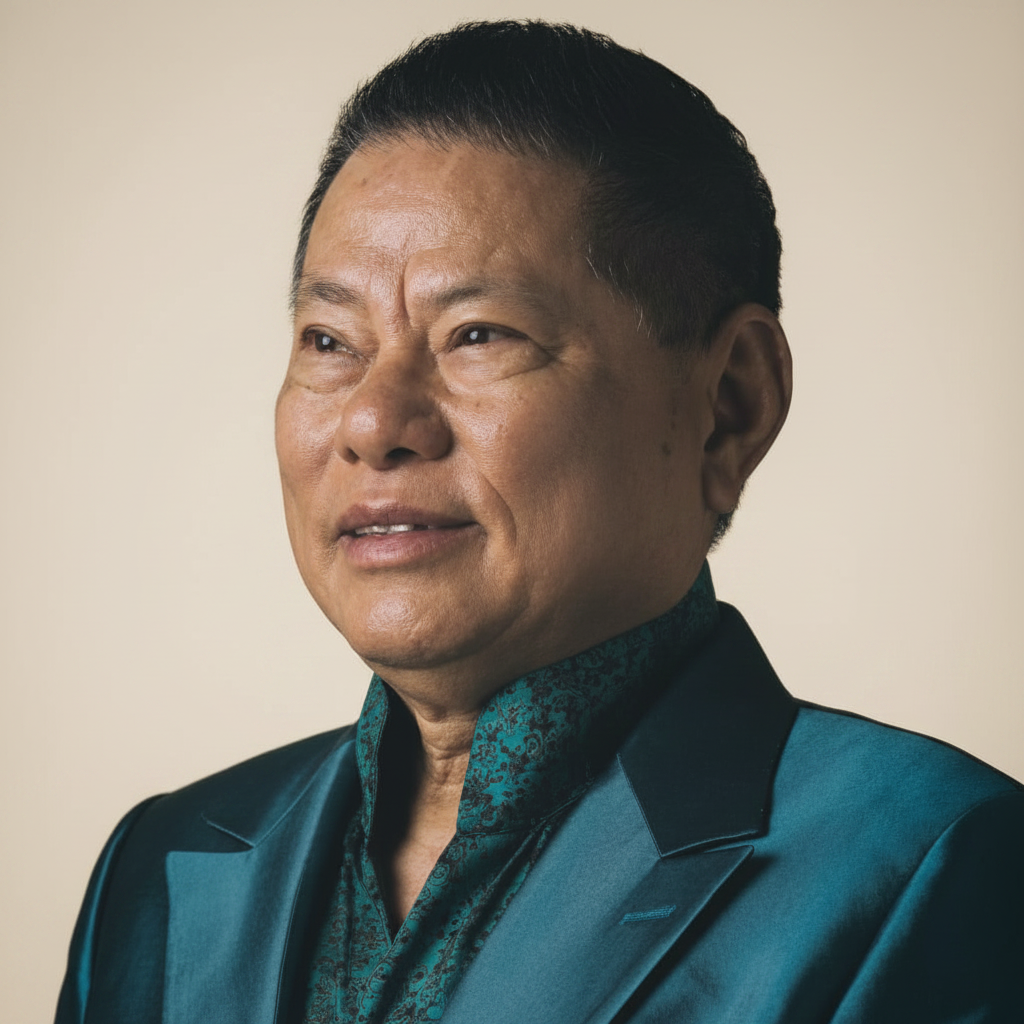
Hoang Kieu
Hoang Kieu: A Vietnamese-born American billionaire, recognized for his ventures in biotechnology, pharmaceuticals, and wine & spirits, significantly impacting the global plasma therapeutics market.
Hoang Kieu is a Vietnamese-born American billionaire who established his fortune through diverse ventures, primarily in biotechnology and plasma-derived therapeutics. He gained significant recognition for his substantial ownership stake in Shanghai RAAS Blood Products, a major player in China's plasma industry. Kieu's business acumen extends to winemaking and pharmaceutical distribution, solidifying his status as a multifaceted entrepreneur.
Biography
Accomplishments
- 01Owned 37% of Shanghai RAAS Blood Products in 2013, a significant stake in a major Chinese biotechnology firm.
- 02Debuted on the 2014 Forbes Billionaires List with a net worth of $3.8 billion, recognizing his substantial wealth creation.
- 03Successfully navigated and invested in the highly regulated and complex global plasma therapeutics market.
- 04Diversified business interests beyond biotechnology into the wine and spirits industry, showcasing broad entrepreneurial capability.
- 05Contributed to the growth and expansion of plasma product availability, particularly in the Chinese market through Shanghai RAAS.
Lessons for Operators
Key Takeaways
Practical lessons distilled for operators, investors, C-levels, and capital allocators.
Strategic Market Entry
Kieu's investment in Shanghai RAAS highlights the potential for substantial returns when acquiring significant stakes in foundational, demand-driven industries within large, growing markets. Operators should identify sectors with high barriers to entry and unmet needs.
Leveraging Emerging Economies
His success underscores the importance of identifying and capitalizing on growth opportunities in emerging economies. Investors should actively research regulatory landscapes and market specifics in regions like China for high-growth potential sectors.
Diversification with Purpose
While focused on biotech, Kieu's expansion into wine demonstrates a calculated diversification. This suggests that expanding into complementary or high-margin, consumer-oriented sectors can provide additional revenue streams and hedge against industry-specific risks.
Building Significant Ownership
Holding a 37% stake in a publicly traded company like Shanghai RAAS allowed for significant influence and capital appreciation. Enterprising leaders should consider strategies for building meaningful ownership positions to maximize returns and strategic control.
Patience in Biotechnology Investment
The biotechnology sector often requires long development cycles and substantial capital. Kieu's success illustrates that patient capital and strategic, sustained investment in such fields can lead to significant wealth creation over time.
Frameworks & Principles
Named frameworks and strategic principles they popularized or embodied.
Emerging Market Investment Thesis
Focuses on identifying high-growth industries within large emerging economies, analyzing regulatory environments, market demand, and local competitive landscapes to secure significant market share or investment stakes.
When to useWhen evaluating opportunities for market entry or substantial investment in countries like China, India, or Southeast Asian nations, particularly in sectors with strong internal demand and potential for rapid expansion.
Core-Periphery Diversification
Involves establishing a strong core business in a high-value, often complex, industry (e.g., biotechnology) and then strategically diversifying into complementary or high-margin 'periphery' businesses (e.g., luxury goods like wine) that may leverage similar distribution or consumer bases, or act as cash cows.
When to useWhen an enterprise has established a strong foundation in a primary sector and seeks to mitigate risk, generate additional revenue streams, or leverage existing capabilities by expanding into new, synergistic markets.
Sources & Further Reading
Profiles, interviews, podcasts, and articles used to compile and verify this entry. Each link opens at the original publisher.
Explore Related Titans
Other figures in the archive who share Hoang Kieu's domain, geography, or era.
More in Technology


From United States