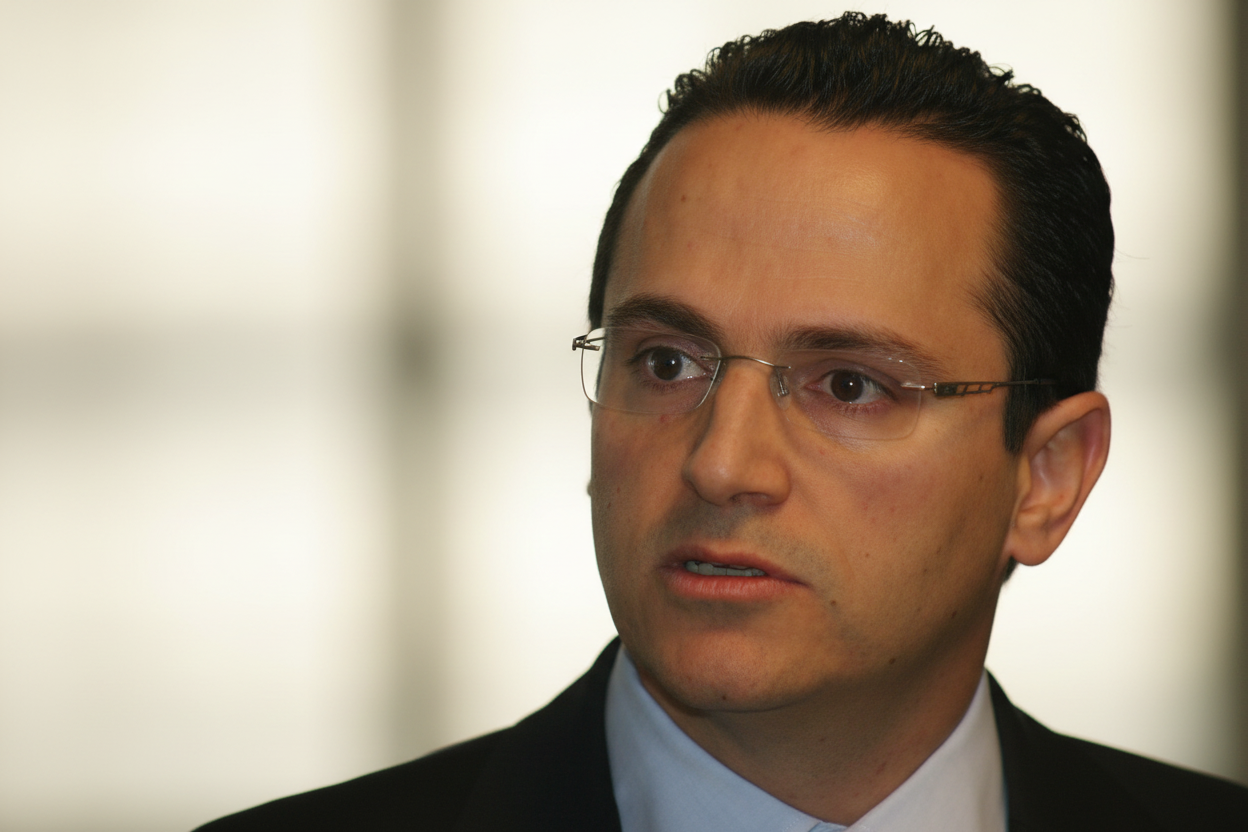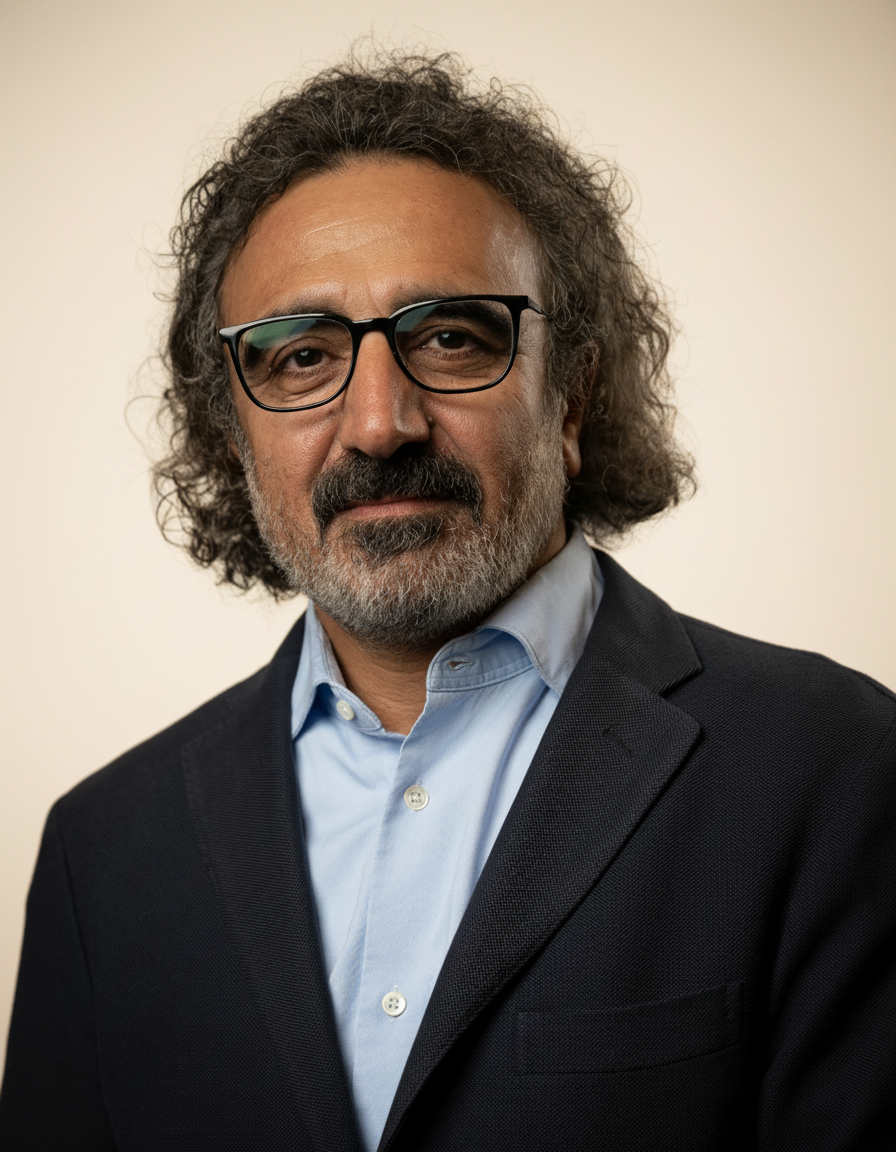
Hamdi Ulukaya
The disruptor of the American yogurt market and a pioneer of responsible capitalism.
Hamdi Ulukaya is a Turkish-born American billionaire businessman. He is the founder, chairman, and CEO of Chobani, a company acclaimed for popularizing Greek yogurt in the United States. Ulukaya is also known for his philanthropic endeavors and advocacy for refugees and responsible business practices, including the 'Tent Partnership for Refugees' and investments in early-stage food companies through his venture fund, Shepherd Futures.
Biography
Accomplishments
- 01Founded Chobani in 2005, transforming it into a multi-billion-dollar food brand and the leading Greek yogurt producer in the U.S. by 2011.
- 02Pioneered a profit-sharing program at Chobani in 2016, distributing up to 10% of company equity to employees, valuing their contribution directly.
- 03Established the Tent Partnership for Refugees in 2016, a global non-profit mobilizing businesses to integrate refugees into host communities, boasting over 300 member companies.
- 04Launched Shepherd Futures, a venture fund investing in impact-driven, early-stage food, beverage, and potentially fintech companies (e.g., DailyPay), fostering innovation with purpose.
- 05Recognized with numerous awards, including the EY Entrepreneur Of The Year Award (2013) and named an 'Outstanding American by Choice' by the U.S. Citizenship and Immigration Services (2015).
Lessons for Operators
Key Takeaways
Practical lessons distilled for operators, investors, C-levels, and capital allocators.
Disrupt from the Margins
Ulukaya didn't try to out-compete established brands directly on their terms. Instead, he introduced a fundamentally different product (Greek yogurt) that appealed to an unmet consumer desire for healthier, protein-rich options, thereby creating a new market segment where he quickly became dominant.
Purpose-Driven Capitalism
Chobani (and Ulukaya's other ventures) exemplifies how businesses can achieve significant commercial success while actively addressing social challenges (e.g., employee welfare, refugee integration). This approach builds brand loyalty and attracts talent in an increasingly socially conscious market.
Acquire and Reinvigorate
His acquisition of a closed Kraft plant was a strategic low-cost entry point into manufacturing, leveraging existing infrastructure that major competitors had abandoned. This proved more efficient than greenfield development, allowing resources to be focused on product and market development.
Founder's Vision as Strategic Asset
Ulukaya's personal vision for a better product and a better way of doing business was the guiding force for Chobani. His cultural background and personal experiences deeply informed the product and the company's values, making the brand authentic and resonant.
Ecosystem Building through Investment
Through Shepherd Futures, Ulukaya is not just investing in individual companies; he's investing in and cultivating an ecosystem of purpose-driven food and beverage, and now fintech (e.g., DailyPay), companies that align with his broader vision of responsible business.
Frameworks & Principles
Named frameworks and strategic principles they popularized or embodied.
Blue Ocean Strategy
Focuses on creating new market space (a 'blue ocean') rather than competing in existing ones (a 'red ocean'). Ulukaya identified and created the mainstream Greek yogurt market in the U.S.
When to useApplicable when seeking to innovate and escape intense competition. Use when a niche or underserved need can be scaled into a significant market segment with a differentiated product or service.
Stakeholder Capitalism
A business model where companies serve the interests of all stakeholders—customers, employees, suppliers, communities, and shareholders—not just shareholders. Ulukaya's profit-sharing, refugee programs, and community investments are key examples.
When to useImplement when building a long-term sustainable business with strong brand reputation and employee loyalty. Useful for attracting values-driven talent and customers.
Impact Investing
Investments made with the intention to generate positive, measurable social and environmental impact alongside a financial return. Shepherd Futures embodies this by investing in purpose-driven food and fintech companies.
When to useUse when capital allocation aims to achieve both financial growth and solve societal or environmental challenges. Suitable for venture funds, family offices, and corporate social responsibility initiatives.
Sources & Further Reading
Profiles, interviews, podcasts, and articles used to compile and verify this entry. Each link opens at the original publisher.
Explore Related Titans
Other figures in the archive who share Hamdi Ulukaya's domain, geography, or era.
More in Technology


Contemporaries — born 1970s