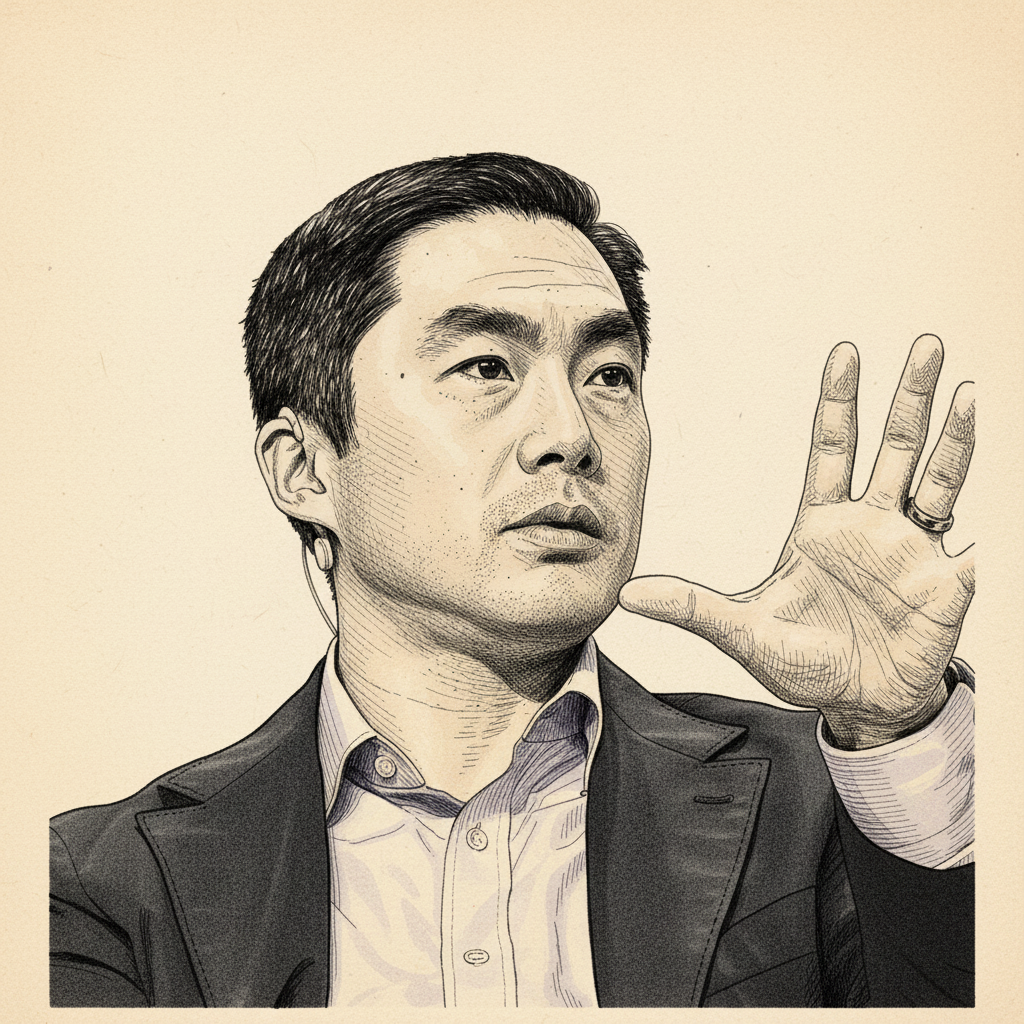
Alfred Lin
From Dot-Com Survivor to Multi-Exit Entrepreneur and Master of Value-Add Venture Capital.
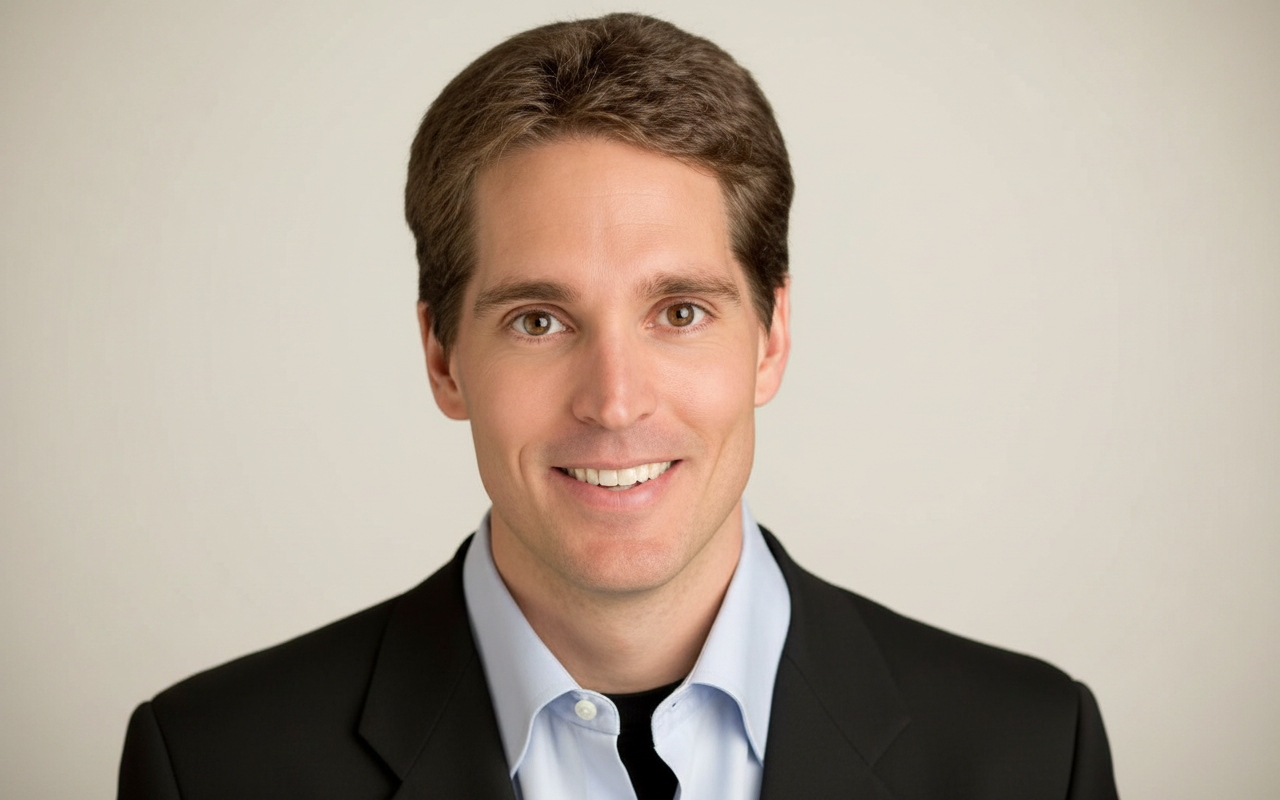
Alfred Lin is a Partner at Sequoia Capital, renowned for his operational expertise and investment acumen. He previously served as COO, CFO, and Chairman of Zappos.com, navigating its sale to Amazon. Lin was a co-founder of Tellme Networks (acquired by Microsoft) and LinkExchange (acquired by Microsoft), demonstrating a consistent track record of building and exiting successful technology companies.
Biography
Accomplishments
- 01Co-founded LinkExchange, leading to a successful acquisition by Microsoft in 1998 for approximately $265 million.
- 02Co-founded Tellme Networks, which was acquired by Microsoft in 2007 for over $800 million, demonstrating repeated success in the startup ecosystem.
- 03Served as COO, CFO, and Chairman of Zappos.com, playing a pivotal role in scaling the company and its subsequent $1.2 billion acquisition by Amazon in 2009.
- 04Became a Partner at Sequoia Capital in 2010, one of the world's most prestigious venture capital firms, leveraging his operational experience for strategic investments.
- 05Led significant investments and served on boards for high-profile companies at Sequoia Capital, including Airbnb, DoorDash, and Stripe, contributing to their growth and market leadership.
- 06Recognized consistently as a top-tier venture capitalist on Forbes' Midas List, affirming his investment prowess and impact on the technology sector.
- 07Successfully navigated two major company exits (LinkExchange, Tellme) to Microsoft and one major exit (Zappos) to Amazon, showcasing expertise in M&A strategy and execution.
Lessons for Operators
Key Takeaways
Practical lessons distilled for operators, investors, C-levels, and capital allocators.
Operational Acumen as an Investment Edge
Lin's deep experience as a COO and CFO at companies like Zappos gives him a distinct advantage in venture capital. He can critically assess a startup's operational plan, identify scaling challenges, and offer tangible advice, making him a highly sought-after board member and investor. This 'operator-investor' model is increasingly valuable.
The Power of Repeat Entrepreneurship
His sequential successes with LinkExchange, Tellme, and Zappos illustrate that learning from previous ventures (both successes and failures) compounds experience and increases the likelihood of future triumph. Each venture built upon the knowledge gained from the last, refining his understanding of market dynamics and team building.
Strategic Exits Drive Value Creation
Lin's involvement in multiple high-value acquisitions (Microsoft, Amazon) showcases a nuanced understanding of M&A processes, valuation, and integration. This expertise is critical not only for guiding his portfolio companies toward optimal liquidity events but also for identifying investable companies with clear exit paths or long-term independent growth potential.
Cultivating Trust Through Empathy
As a former founder, Lin relates directly to the founder's journey, stress, and ambition. This empathy allows him to build stronger, more effective relationships with entrepreneurs, positioning him as a supportive partner rather than just a capital provider. This trust is essential for navigating challenging periods and making tough decisions.
Long-Term Vision in High-Growth Sectors
His investment portfolio at Sequoia reflects a consistent focus on companies that are not just disruptive but have the potential for sustained, significant market impact, often redefining consumer behavior or enterprise efficiency. This requires foresight and patience, characteristic of successful long-term capital allocation.
The Importance of Adaptable Leadership
Lin's career progression from technical founder to financial lead, operational executive, and then venture capitalist, demonstrates a profound ability to adapt his skills and leadership style to different organizational stages and roles. This adaptability is crucial for anyone navigating fast-evolving industries.
Frameworks & Principles
Named frameworks and strategic principles they popularized or embodied.
Operator-Led Investing
This framework emphasizes that venture capitalists with prior deep operational experience (e.g., COO, CFO, CEO) are better equipped to evaluate, advise, and add value to portfolio companies. They bring practical, hands-on knowledge of scaling, team building, and market execution beyond financial analysis.
When to useApplicable for venture capitalists looking to differentiate their offering, or for entrepreneurs seeking investors who can provide more than just capital – those who can offer actionable strategic and operational guidance.
The 'Customer Experience' Differentiator
Inspired by his Zappos experience, this framework highlights that exceptional customer experience can be a primary, sustainable competitive advantage, even in seemingly commoditized markets. It involves obsessing over every customer touchpoint to build loyalty and word-of-mouth growth.
When to useEssential for any business, especially consumer-facing ones, looking to build a strong brand, achieve organic growth, and create defensibility against competitors by fostering deep customer relationships.
Full-Stack Executive Development
This approach advocates for executives to gain experience across multiple functions (finance, operations, business development) within a company or across several ventures. This creates a holistic understanding of the business, enabling more effective strategic decision-making and leadership.
When to useBeneficial for aspiring C-level executives or entrepreneurs seeking to develop a comprehensive skill set that prepares them for diverse challenges and leadership roles, rather than specializing in a single silo.
Recent Appearances
Latest interviews, keynotes, and press from the past half year.
 youtube.com
 youtube.com
 youtube.com
 youtube.com
 youtube.com
 youtube.comyoutube.com
 youtube.com
 youtube.com
 youtube.com
 youtube.com
 youtube.com
 youtube.com
 youtube.com
 youtube.com
 youtube.com
 youtube.com
 youtube.com
 youtube.com
 youtube.com
 youtube.com
 youtube.com
 youtube.com
 youtube.com
 youtube.com
 youtube.com
 youtube.com
 youtube.com
 youtube.com
 youtube.com
 youtube.com
 youtube.com
 youtube.com
 youtube.com
 youtube.comyoutube.com
 youtube.com
 youtube.com
 youtube.com
 youtube.com
 youtube.com
 youtube.com
 youtube.com
 youtube.com
 youtube.com
 youtube.com
 youtube.com
 youtube.com
 youtube.com
 youtube.com
 youtube.com
 youtube.com
 youtube.com
 youtube.com
 youtube.com
 youtube.com
 youtube.com
 youtube.com
 youtube.com
 youtube.com
 youtube.com
 youtube.com
 youtube.com
 youtube.com
 youtube.com
 youtube.com
 youtube.com
 youtube.com
 youtube.com
 youtube.com
 youtube.com
 youtube.com
 youtube.com
 youtube.com
 youtube.com
 youtube.com
 youtube.com
 youtube.com
 youtube.com
 youtube.com
 youtube.com
 youtube.com
 youtube.com
 youtube.com
 youtube.com
 youtube.com
 youtube.com
 youtube.com
 youtube.com
 youtube.com
 youtube.comyoutube.com
 youtube.com
 youtube.com
 youtube.com
 youtube.com
 youtube.com
 youtube.com
 youtube.com
 youtube.com
 youtube.com
 youtube.com
 youtube.com
 youtube.com
 youtube.com
 youtube.com
 youtube.com
 youtube.com
 m.youtube.com
 youtube.com
 youtube.com
 youtube.com
 youtube.com
 youtube.com
 youtube.com
 youtube.com
 youtube.com
 youtube.com
 youtube.com
 youtube.com
 youtube.com
 youtube.com
 youtube.com
 youtube.com
 youtube.com
 m.youtube.com
 youtube.com
 youtube.com
 youtube.com
 youtube.com
 youtube.com
 youtube.com
 youtube.com
 youtube.com
 youtube.com
![[a16z Tech Week San Francisco] AI Is Building the Next ... - YouTube](https://i.ytimg.com/vi/PUiz7ICahWQ/hqdefault.jpg) youtube.comyoutu.be
youtube.comyoutu.be youtube.com
 youtube.com
 youtube.com
 youtube.com
 youtube.com
![[EN] Interview: State of AI Engineering - YouTube](https://i.ytimg.com/vi/12JP0BbwvYY/hqdefault.jpg) m.youtube.com
m.youtube.com youtube.comyoutube.com
Sources & Further Reading
Profiles, interviews, podcasts, and articles used to compile and verify this entry. Each link opens at the original publisher.
Explore Related Titans
Other figures in the archive who share Alfred Lin's domain, geography, or era.
More in Technology







From United States



Contemporaries — born 1970s