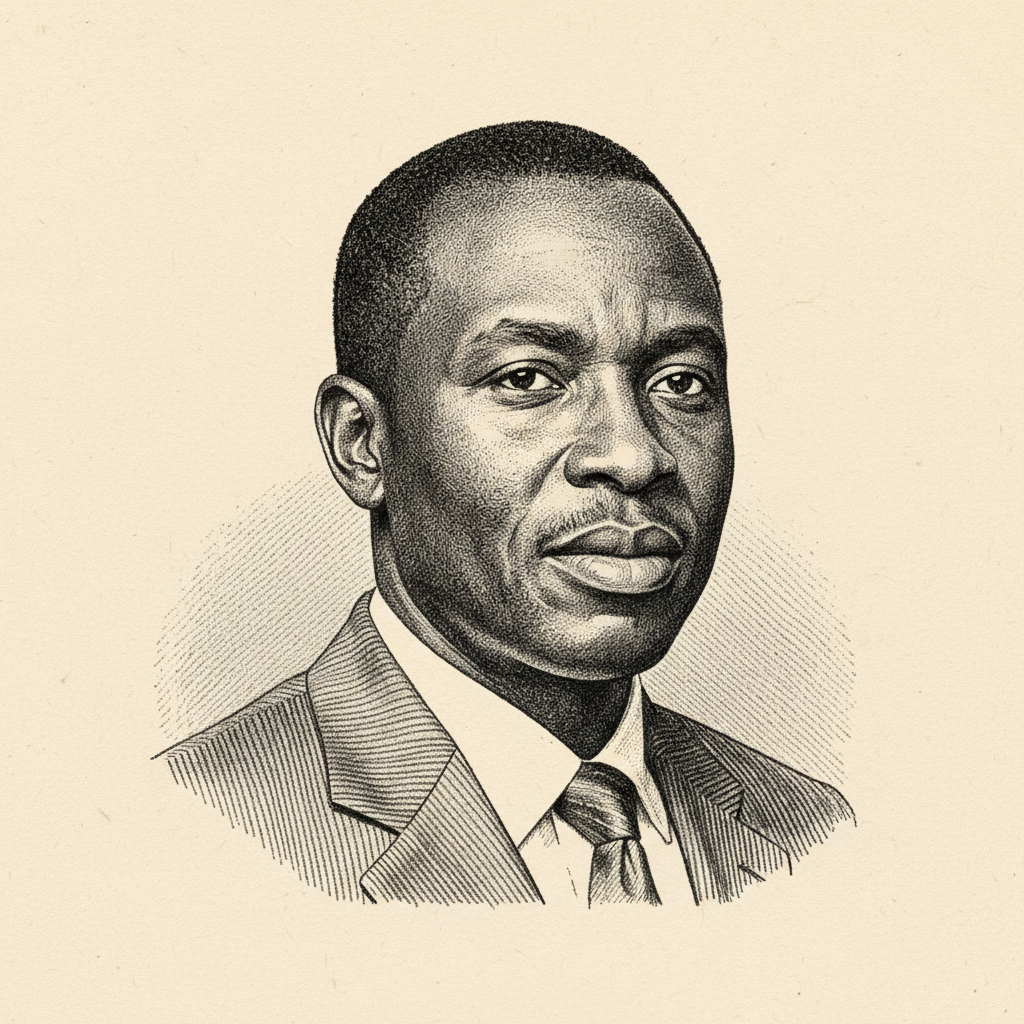
Strive Masiyiwa
Pioneering African telecommunications magnate and impact investor.
Strive Masiyiwa is a Zimbabwean billionaire businessman and philanthropist. He is the founder and executive chairman of Econet Group, a global telecommunications company with operations and investments in Africa, Europe, North America, Latin America, and Asia. Masiyiwa's entrepreneurial journey is marked by significant legal battles to establish mobile network operations, paving the way for digital transformation across Africa.
Biography
Accomplishments
- 01Founded Econet Wireless in 1993 and subsequently won a five-year legal battle to secure an operating license, breaking a state monopoly.
- 02Built Econet Group into a diversified global telecommunications and technology enterprise with operations across multiple continents.
- 03Pioneered mobile money solutions in Africa through EcoCash, significantly driving financial inclusion.
- 04Led Econet's expansion into renewable energy solutions through Distributed Power Africa (DPA), addressing energy deficits.
- 05Served on the boards of multinational corporations such as Netflix, National Geographic Society, and Unilever, offering strategic guidance.
- 06Co-founded Higherlife Foundation, which has supported the education of over 250,000 disadvantaged children across Africa.
Lessons for Operators
Key Takeaways
Practical lessons distilled for operators, investors, C-levels, and capital allocators.
Legal Precedent as a Business Strategy
Masiyiwa's legal fight wasn't just about obtaining a license; it established a new competitive landscape. Operators should identify monopolistic or restrictive regulatory environments as potential high-barrier, high-reward opportunities if one is prepared for the legal and political contest.
Ecosystem Building
Econet did not just offer mobile calls; it built an ecosystem including internet, fintech, and energy. This 'platform' approach enhances customer stickiness, diversified revenue streams, and creates cross-selling opportunities. Enterprise leaders should consider how their core product can be the base layer for synergistic services.
Emerging Market Innovation
Innovations like EcoCash were tailored to the unique economic realities of African markets (e.g., low bank account penetration, high mobile usage). Instead of replicating Western models, focus on solving local pain points with appropriate technology. This often leads to globally relevant solutions.
Resilience in Challenging Environments
Operating in politically and economically volatile regions requires robust risk management, adaptable business models, and a long-term perspective. Short-term obstacles must not deter long-term strategic objectives.
Capitalizing on Infrastructure Gaps
Masiyiwa identified critical infrastructure deficits (telecoms, energy, finance) and built businesses to fill them. Investors and operators should look for significant unmet needs in essential services as prime investment opportunities, particularly in developing economies.
Frameworks & Principles
Named frameworks and strategic principles they popularized or embodied.
Regulatory Arbitrage/Advocacy
Proactively engage with regulatory bodies, and where necessary, challenge existing statutes to open markets or create competitive environments that benefit both consumers and one's enterprise.
When to useApplicable when entering highly regulated markets, challenging incumbent monopolies, or advocating for policy changes that foster competition and innovation.
Ecosystem Orchestration Model
Develop a core business and strategically expand into complementary services (e.g., mobile, finance, energy) to create an integrated customer experience and capture greater lifetime value, often leveraging a shared infrastructure or customer base.
When to useSuitable for businesses looking to expand revenue streams beyond their primary offering, increase customer loyalty, and become a central part of customers' daily lives.
Leapfrogging Technology Adoption
Introduce advanced technological solutions directly into markets that have underdeveloped older infrastructure, skipping intermediate technological phases (e.g., mobile banking over traditional branch banking).
When to useIdeal for markets with nascent infrastructure where traditional solutions are absent or outdated, allowing for direct implementation of modern, efficient technologies.
Recent Appearances
Latest interviews, keynotes, and press from the past half year.
 youtube.com
 youtube.com
 youtube.com
 youtube.com
 youtube.com
 youtube.com
 youtube.com
![[ICYMI] The Chairman's Conversation| Adrian Gore on ...](https://i.ytimg.com/vi/xyFBlYzTT0g/hqdefault.jpg) youtube.com
youtube.com youtube.com
 youtube.com
 youtube.com
 youtube.com
 youtube.com
 youtube.com
 youtube.com
 youtube.com
 youtube.com
 youtube.com
 youtube.com
 youtube.com
 youtube.com
 youtube.com
 youtube.com
 youtube.com
 youtube.com
 youtube.com
 youtube.com
Sources & Further Reading
Profiles, interviews, podcasts, and articles used to compile and verify this entry. Each link opens at the original publisher.
Explore Related Titans
Other figures in the archive who share Strive Masiyiwa's domain, geography, or era.
More in Technology







Contemporaries — born 1960s