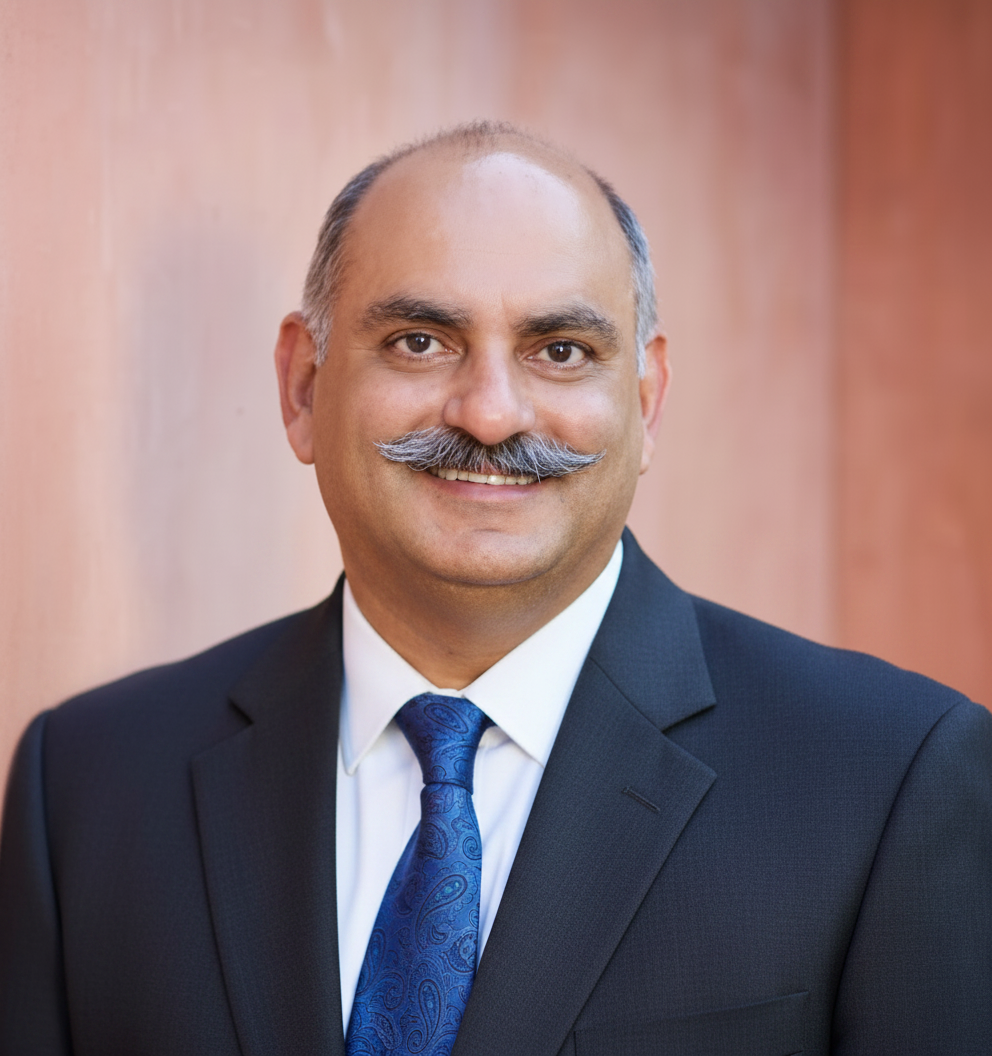
Marvellous Marvell
Co-founder, CEO, and Chairman of Marvell Technology, Marvell pioneered semiconductor innovation in data storage, networking, and wireless communication.
Weili Dai, co-founder of Marvell Technology, is a prominent figure in the semiconductor industry. Alongside her husband, Sehat Sutardja, she built Marvell into a global leader, excelling in data storage, networking, and wireless integrated circuits. Her strategic leadership and operational expertise were instrumental in Marvell's growth, navigating aggressive market shifts and technological advancements.
Biography
Accomplishments
- 01Co-founded Marvell Technology Group in 1995, building it into a multi-billion dollar global semiconductor leader.
- 02Pioneered critical read channel technology for hard disk drives, establishing Marvell as a dominant force in data storage semiconductors.
- 03Led diversification into high-growth markets including Ethernet, Wi-Fi, and embedded processors, securing design wins in diverse applications from enterprise networking to consumer electronics.
- 04Oversaw the successful acquisition and integration of key assets, such as Intel's XScale processor business (2006), significantly expanding Marvell's IP portfolio and market footprint.
- 05Recognized as a prominent female leader in technology, being the only female co-founder of a major semiconductor company and a frequent honoree on "most powerful women" lists.
- 06Guided Marvell through its successful IPO on NASDAQ (MRVL) in 2000, raising substantial capital for continued growth and innovation.
Lessons for Operators
Key Takeaways
Practical lessons distilled for operators, investors, C-levels, and capital allocators.
Build from a Core Strength
Marvell's initial dominance in read channel technology provided the financial and reputational bedrock to expand into other, often related, semiconductor markets. Don't chase every trend; master one area first.
Acquire to Accelerate
Strategic acquisitions, like the XScale intellectual property, allowed Marvell to rapidly enter new segments (e.g., mobile processors) without years of organic R&D, demonstrating the power of inorganic growth when executed expertly.
Global Mindset from Day One
While headquartered in the US, Marvell always operated with a global footprint in terms of talent, manufacturing, and customer base. This international perspective is vital for scale in a globalized industry like semiconductors.
Engineer-Led Culture
A deep understanding of technology, often spearheaded by founders with engineering backgrounds, enabled Marvell to make technically sound product decisions and foster a culture of innovation that attracted top talent.
Anticipate Industry Inflections
Marvell’s move into Wi-Fi and Ethernet chips anticipated the explosive growth of connected devices and digital infrastructure, illustrating the importance of foresight in technology roadmapping.
Frameworks & Principles
Named frameworks and strategic principles they popularized or embodied.
Core Competency Expansion
Start with a distinct technological advantage (e.g., read channel tech) and leverage it to enter adjacent markets (e.g., networking, wireless) where similar engineering expertise or customer relationships apply.
When to useWhen an organization has achieved market leadership in a niche and seeks sustainable, diversified growth without diluting its core technical strengths. Useful for technology companies looking to expand product lines effectively.
Strategic M&A for Market Entry
Utilize mergers and acquisitions not just for consolidation, but as a primary strategy to quickly acquire relevant intellectual property, talent, and market share in new, high-growth segments. This can bypass lengthy organic R&D cycles.
When to useApplicable when speed to market is critical in a rapidly evolving industry, or when a company needs to fill a significant technology gap to remain competitive. Requires thorough due diligence and integration planning.
Globalized Operations Model
Establish a distributed operational model from the outset, including R&D centers, manufacturing partnerships, and sales channels across key international markets. This maximizes talent access, reduces costs, and tailors products to regional needs.
When to useEssential for companies in high-tech industries that serve a global customer base or require access to specialized talent pools outside their home country. Particularly relevant for capital-intensive hardware businesses.
Explore Related Titans
Other figures in the archive who share Marvellous Marvell's domain, geography, or era.
More in Technology








Contemporaries — born 1960s