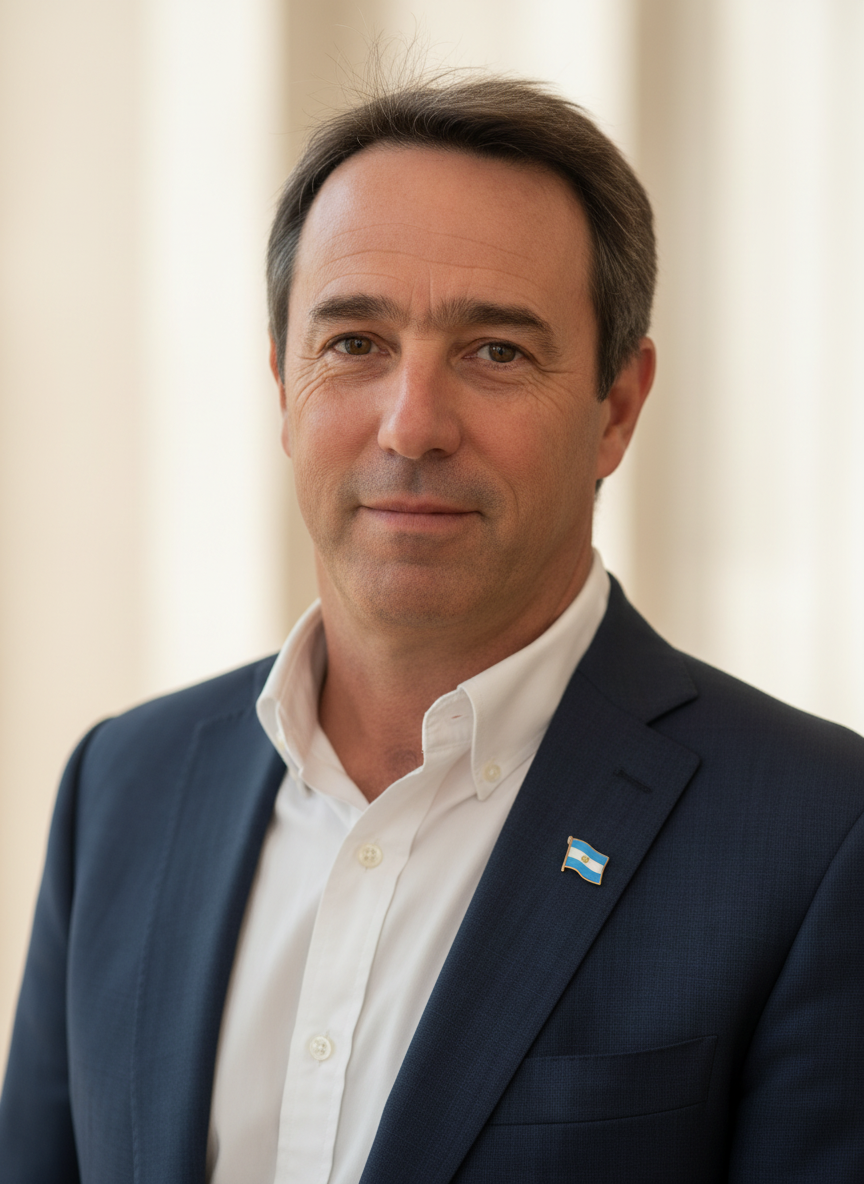
Marcos Galperin
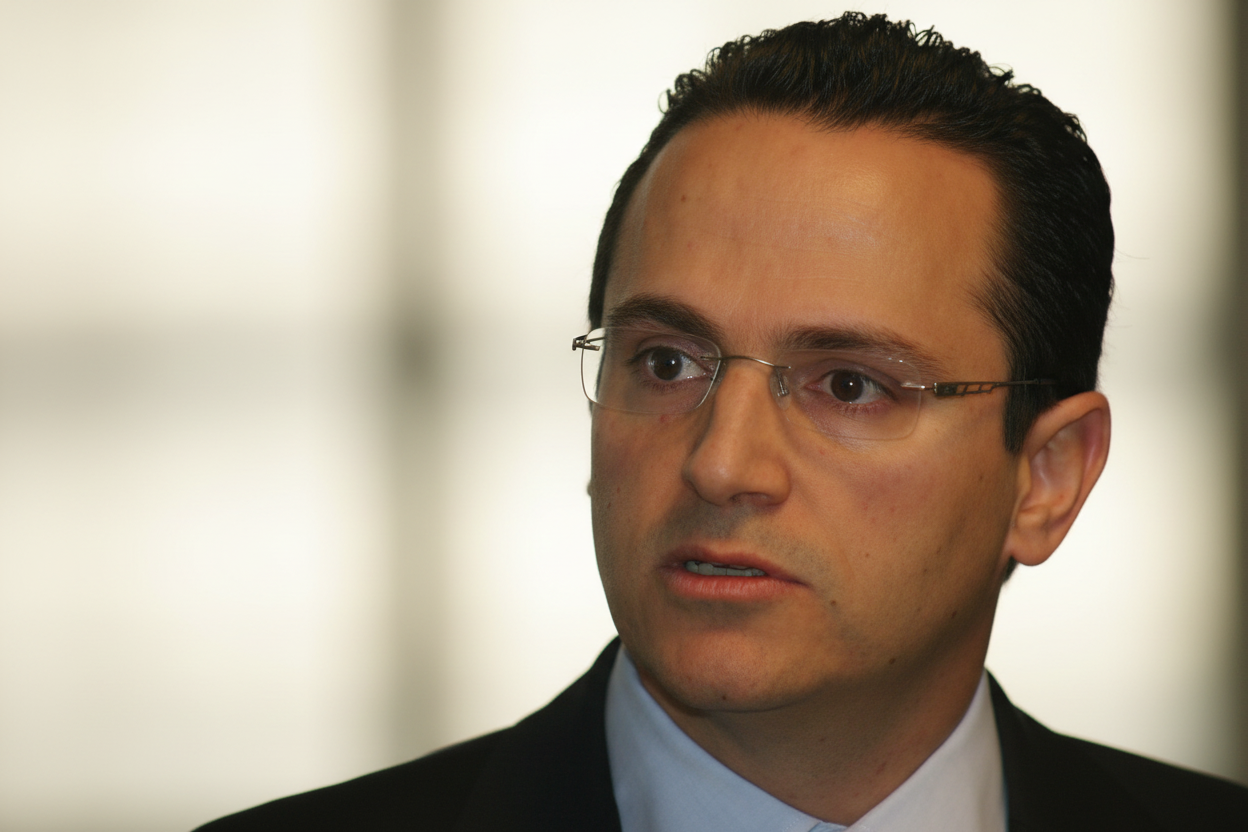
Marcos Galperin: The visionary co-founder and long-time CEO of MercadoLibre, who built Latin America's e-commerce and fintech giant.
Marcos Eduardo Galperin Lebach is an Argentine businessman and technology entrepreneur, best known as co-founder of MercadoLibre. He led the company as Chief Executive Officer for more than two decades, transforming it into Latin America's largest e-commerce and fintech platform. As of January 1, 2026, he transitioned to Executive Chairman, with an estimated net worth of approximately US$7.1 billion as of September 2026, making him one of Argentina's wealthiest individuals.
Biography
Accomplishments
- 01Co-founded MercadoLibre in 1999 and led it as CEO for over two decades, transforming it into Latin America's largest e-commerce and fintech company.
- 02Successfully executed MercadoLibre's IPO on NASDAQ in August 2007, raising $205 million and establishing a precedent for Latin American tech companies.
- 03Pioneered the development and expansion of MercadoPago (launched 2003) into a leading fintech platform, addressing critical payment infrastructure gaps in Latin America.
- 04Established MercadoEnvios (launched 2013), an integrated logistics solution, significantly improving delivery capabilities and customer satisfaction across the region.
- 05Navigated MercadoLibre through the dot-com bust, global financial crises, and intense competition from global players like Amazon, maintaining market dominance.
- 06Fostered a culture of innovation and adaptability, resulting in a diversified ecosystem of services including e-commerce, payments, logistics, and advertising.
- 07Achieved an estimated net worth of approximately US$7.1 billion by September 2026, making him Argentina's wealthiest individual.
- 08Transitioned from CEO to Executive Chairman on January 1, 2026, ensuring continued strategic guidance for MercadoLibre's long-term vision.
Lessons for Operators
Key Takeaways
Practical lessons distilled for operators, investors, C-levels, and capital allocators.
Solve Foundational Problems
Identify and tackle the most significant infrastructure or market friction points in your target market. MercadoLibre built its own payment and logistics solutions because they were nonexistent or inadequate, creating an indispensable ecosystem.
Master Local Context
Generic business models often fail in diverse regions. Tailor your offerings, pricing, and operations to the specific cultural, economic, and regulatory nuances of each local market you enter. This adaptability was core to MercadoLibre's pan-Latin American success.
Build a Diversified Ecosystem
Don't just offer one product or service. Strategically expand into complementary areas that enhance your core business and create additional revenue streams and customer lock-in. MercadoPago and MercadoEnvios are prime examples of this strategy.
Cultivate Long-Term Vision
Market leadership is often built over decades, not years. Maintain strategic patience, withstand short-term pressures, and consistently invest in innovation and market expansion to achieve enduring success, as demonstrated by Galperin's two-decade tenure as CEO.
Strategic Capital Allocation
Efficiently allocate capital towards high-growth areas and critical infrastructure. MercadoLibre consistently invested in technology, logistics, and payment systems, which were fundamental to its scale and competitive advantage.
Empower Leadership Transitions
Successfully transitioning from a founder-CEO role to an Executive Chairman position requires careful planning and a strong successor. Galperin's move ensures continuity while allowing for fresh operational leadership and his continued strategic oversight.
Build Trust Through Experience
In emerging markets, trust is paramount. MercadoLibre built trust through reliable services, secure transactions (MercadoPago), and effective dispute resolution, leading to widespread adoption and repeat business.
Operational Excellence
Achieving scale and profitability in complex markets demands operational rigor. MercadoLibre's continuous improvement in logistics, customer service, and platform reliability was critical to its sustained growth and market dominance.
Frameworks & Principles
Named frameworks and strategic principles they popularized or embodied.
Ecosystem Strategy
Develop a multi-faceted business model where various products and services interconnectedly support and enhance each other, creating a network effect and increasing customer lifetime value. This framework moves beyond a single product focus.
When to useApplicable when a core business can be significantly strengthened by integrating adjacent services (e.g., payments for e-commerce, logistics for retail). Useful for creating barriers to entry and capturing more value within a customer's journey.
Localization & Adaptation
Tailoring products, services, marketing, and operational strategies to meet the specific needs, preferences, cultural norms, and regulatory environments of distinct local markets. It emphasizes 'thinking globally, acting locally.'
When to useEssential for businesses expanding into new international or culturally diverse markets where a one-size-fits-all approach is unlikely to succeed. Critical for services with significant regional infrastructure differences.
Vertical Integration for Market Control
Bringing key components of the supply chain or critical business functions in-house, rather than relying on external providers. This can include developing proprietary technology, logistics, or payment systems.
When to useEffective when external infrastructure is unreliable, inefficient, or provides a strategic bottleneck. Used to gain greater control over quality, cost, speed, and customer experience, and to create competitive moats.
Long-Term Value Creation vs. Short-Term Gains
A strategic orientation prioritizing sustained growth, market dominance, and fundamental value building over immediate quarterly results. This involves consistent investment in R&D, infrastructure, and customer acquisition, even if it impacts near-term profitability.
When to useSuitable for disruptive businesses in nascent or rapidly evolving markets, where building a strong foundation and market share is more critical than early profitability. Requires patient capital and strong leadership vision.
Recent Appearances
Latest interviews, keynotes, and press from the past half year.
 youtube.com
 youtube.com
 youtube.com
 youtube.com
 youtube.com
 youtube.com
 youtube.com
 youtube.com
 m.youtube.com
 youtube.com
 youtube.com
 youtube.com
 youtube.com
 youtube.com
 youtube.com
 youtube.com
 youtube.comyoutube.com
 youtube.com
 m.youtube.com
 youtube.com
 m.youtube.com
 youtube.com
 youtube.com
 youtube.com
Sources & Further Reading
Profiles, interviews, podcasts, and articles used to compile and verify this entry. Each link opens at the original publisher.
Explore Related Titans
Other figures in the archive who share Marcos Galperin's domain, geography, or era.
More in Technology










Contemporaries — born 1970s