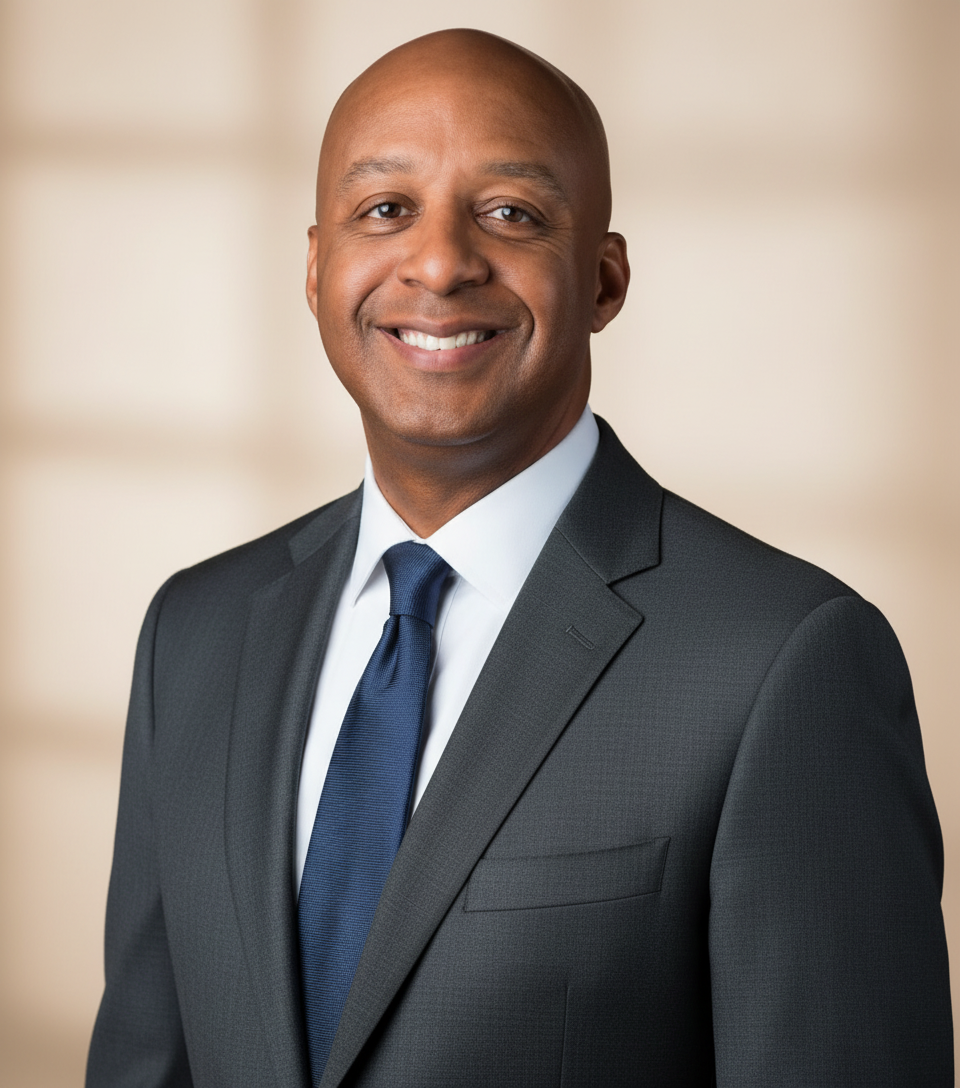
Joseph Tsai
Joseph Tsai: The Architect of Alibaba's Financial Foundations and Global Sports Visionary
Joseph Chung-Hsin Tsai is a Taiwanese-Canadian billionaire business magnate, lawyer, and philanthropist, renowned as a co-founder and current chairman of Alibaba Group. His financial and legal expertise were instrumental in structuring Alibaba's early operations and securing its foundational investments. Beyond technology, Tsai has established a significant presence in professional sports, owning the Brooklyn Nets (NBA), New York Liberty (WNBA), and San Diego Seals (NLL), among other ventures.
Biography
Accomplishments
- 01Co-founder and current Chairman of Alibaba Group, shaping its financial and legal architecture from its inception in 1999, including crucial early funding rounds.
- 02Instrumental in Alibaba's successful 2014 IPO on the New York Stock Exchange, which raised a then-record $25 billion.
- 03Acquired full ownership of the Brooklyn Nets NBA franchise and Barclays Center operating rights by 2019, for a valuation around $3.3 billion.
- 04Expanded his sports empire to include the New York Liberty of the WNBA and the San Diego Seals of the NLL, demonstrating comprehensive professional sports ownership.
- 05Successfully transitioned from a high-earning private equity role to an early-stage startup, highlighting strategic risk-taking and belief in long-term vision.
- 06Established Alibaba's sophisticated Variable Interest Entity (VIE) structure, crucial for navigating international investment regulations in China.
Lessons for Operators
Key Takeaways
Practical lessons distilled for operators, investors, C-levels, and capital allocators.
Build Foundational Pillars First
Tsai's initial focus on Alibaba's financial and legal infrastructure, rather than immediate product development, allowed the company to scale reliably. Companies must invest in robust legal, financial, and governance frameworks early to support rapid growth and attract capital.
Act as an Enabler, Not Just an Operator
By structuring Alibaba's investment mechanisms (like the VIE), Tsai enabled billions in foreign capital to flow into the company. Leaders should identify and solve systemic blockers (regulatory, financial) to unlock exponential growth opportunities.
Strategic Patience Yields Outsized Returns
His willingness to take a pay cut and commit to Alibaba in its infancy underscores that the biggest returns often come from early, deep, and sustained commitment to high-potential ventures, even when immediate rewards are minimal.
Evaluate Beyond Traditional Metrics
Tsai's investment in sports isn't purely EBITDA-driven; it includes branding, community engagement, and long-term asset appreciation. Investors should consider the 'soft' power and strategic value of assets alongside conventional financial metrics.
Leadership Through Expertise
Tsai ascended to co-founder and chairman largely due to his specialized financial and legal expertise. Effective leadership in complex organizations often comes from deep, practical knowledge of critical business functions that complement the CEO's vision.
Frameworks & Principles
Named frameworks and strategic principles they popularized or embodied.
Foundational Infrastructure Prioritization
A strategic approach where significant resources and top talent are dedicated to establishing robust legal, financial, and operational frameworks during a company's nascent stages, recognizing these as prerequisites for sustainable scale.
When to useApplicable for early-stage startups aiming for rapid scale and international expansion, large corporations entering new markets with complex regulatory environments, or any venture requiring significant external investment.
Enabling Investment Strategy
Focuses on identifying unique financial or legal structures (e.g., Variable Interest Entities, innovative debt instruments) that unlock capital access, navigate regulatory hurdles, or enhance investor confidence, thereby creating a strategic advantage.
When to useIdeal for companies in regulated industries, those seeking capital from diverse international sources, or ventures where conventional financing methods are insufficient or politically sensitive.
Diversified Asset Portfolio with Strategic Value
An investment thesis that balances core business holdings with acquisitions in distinct sectors, particularly those offering brand synergy, public engagement, or long-term socio-economic relevance alongside financial returns.
When to useSuitable for high-net-worth individuals, family offices, or corporate entities looking to diversify assets, enhance brand visibility, and leverage cultural or societal influence, particularly in public-facing sectors like media and sports.
Sources & Further Reading
Profiles, interviews, podcasts, and articles used to compile and verify this entry. Each link opens at the original publisher.
Explore Related Titans
Other figures in the archive who share Joseph Tsai's domain, geography, or era.
More in Technology








Contemporaries — born 1960s